Campus parking operations have spent the past several years adjusting to a compound set of pressures that few anticipated before 2020. Commuter-student populations grew while residential enrollment flattened. Faculty and staff hybrid work eroded permit demand predictability. Sustainability commitments tightened parking supply at the exact moment operating budgets came under pressure from other directions.
The pricing and permit strategies that have emerged from this period differ substantively from the pre-2020 campus playbook.
The Demand Pattern That Broke the Old Model
The traditional campus permit model — an annual permit, priced in tiers, tied to a zone or lot — worked adequately when demand was steady. It has struggled with the current pattern: highly variable day-to-day demand, sharp peaks on specific in-person days, and a growing share of users who need parking two or three days a week rather than five.
Campuses that have adjusted most successfully have moved toward a layered permit structure rather than abandoning annual permits entirely. A representative structure includes:
- Annual permit at full rate for heaviest users; typically 60 to 70 percent of pre-2020 volume
- Per-day or hourly digital permits for occasional users, priced to discourage abuse but make occasional use feasible
- Bundled multi-day permits (for example, 40-day or 80-day digital bundles) targeting hybrid users
The shift has reduced total permit revenue per user on average but expanded the paying-user base enough that aggregate revenue has recovered in most of the better-adjusted operations.
Pricing by Demand Rather Than by Zone
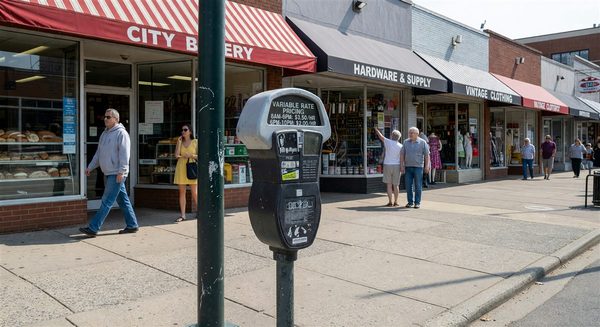
Several large campus systems have moved from pure zone-based pricing (Lot A costs X, Lot B costs Y) to demand-based differential pricing within zones. The University of California campuses, several Big Ten institutions, and a growing number of smaller institutions now price closer-in garages at a premium and provide lower-priced perimeter parking with shuttle or walkability alternatives.
Outcomes from early implementations:
- Utilization smooths across the lot portfolio rather than concentrating in core garages
- Revenue per space in premium lots rises more than revenue in perimeter lots falls
- Student and staff satisfaction with parking access improves measurably in the first semester of implementation, partly because price signal shifts rather than lottery allocation determine access
- Faculty resistance is the most consistent friction point; most institutions have addressed this with transitional protections for long-tenured permit holders
Permit Caps and Waiting Lists
The structural oversupply that characterized many campus systems through the 1990s and 2000s is largely gone. Most campuses now operate close to capacity in peak periods and must rationalize demand.
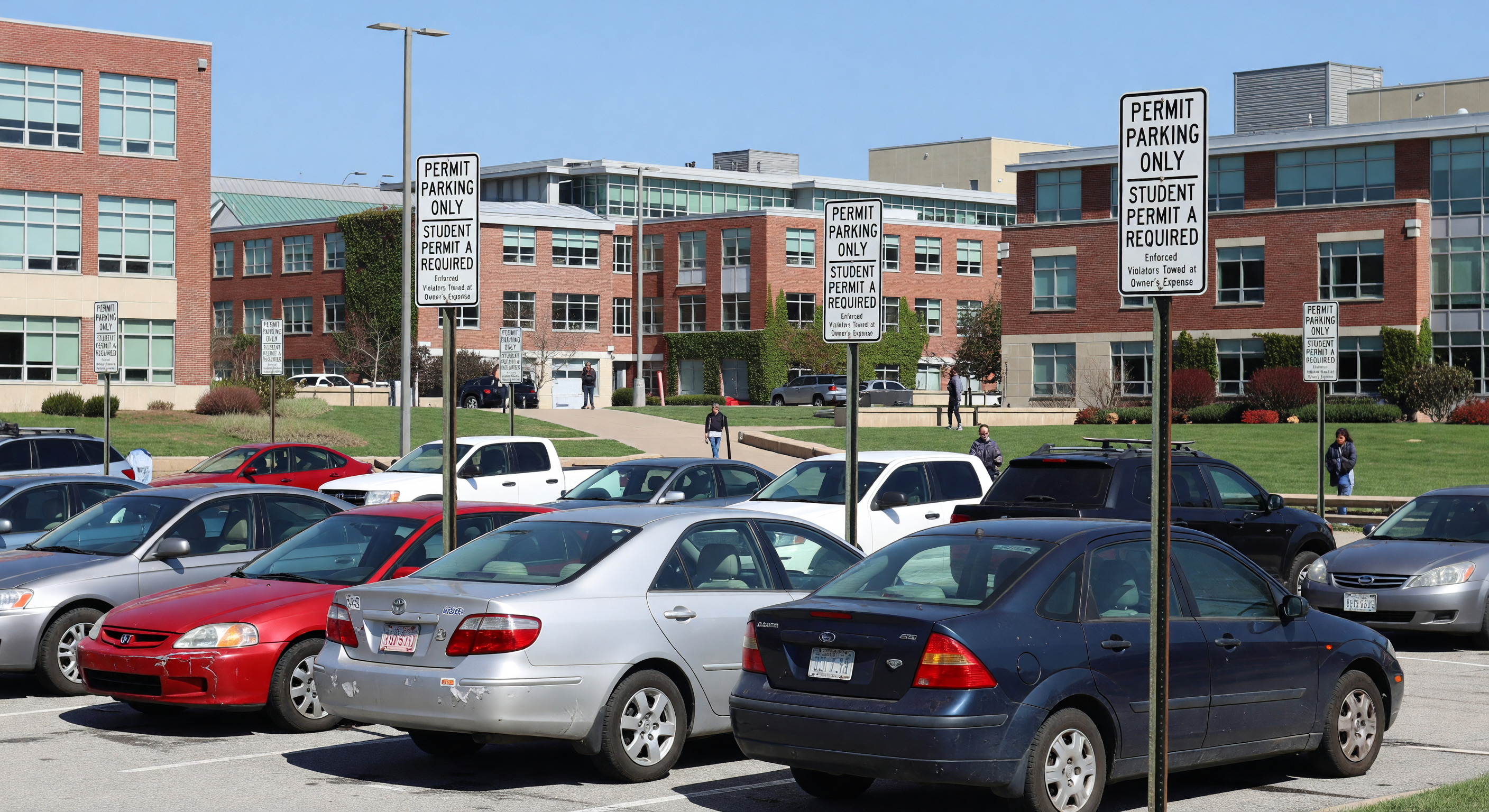
Permit caps combined with priority systems (tenure, disability, distance from campus, class schedule) have largely replaced the old first-come model. The policy design question — who gets priority and how transparently — has significant implications for both operational outcomes and community trust.
Transparent, documented priority systems have generally produced better outcomes than ad-hoc allocation, even when the substantive priorities are identical. The International Parking and Mobility Institute has published campus-specific guidance reflecting this pattern.
Sustainability Commitments and Parking Supply
University sustainability commitments — carbon neutrality targets, LEED requirements, transportation demand management goals — now routinely constrain parking supply. The financial consequence is that per-space revenue must cover more of the operational and capital burden than it did when surface lots could absorb demand growth.
The pricing implications are direct. Systems operating under parking-supply caps generally need to price parking substantially higher than systems with growth flexibility, both to manage demand and to generate the operating revenue that smaller supply must produce. The pricing required to balance these constraints is often higher than political communication has prepared campus communities for.
Alternative-Mode Integration
Campus TDM programs — transit passes, bike infrastructure, carpool matching, remote-work incentives — now typically sit in the same administrative unit as parking operations. The integration is a meaningful shift from the legacy model where parking operations and TDM were separately managed and often at cross purposes.
The financial integration matters too. Several campuses now fund substantial transit-pass and vanpool subsidies from parking revenue, an arrangement that aligns incentives but depends on parking revenue remaining healthy.
FAQ
Is the annual permit model obsolete?
No, but it is no longer sufficient on its own. Successful campus operations now layer annual permits with daily, hourly, and multi-day bundled options to serve a more variable demand pattern.
How do campuses handle faculty resistance to differential pricing?
Transitional protections for long-tenured permit holders, transparent pricing rationale tied to utilization data, and clear reinvestment of differential revenue in campus services have been the most effective approaches.
What role does parking revenue play in funding alternatives to driving?
A substantial one on many campuses. Transit pass subsidies, vanpool programs, and bike infrastructure are often parking-funded. This alignment works well when parking demand is stable but exposes TDM programs to risk if parking revenue erodes.
Where can campus operators benchmark pricing and permit practices?
IPMI’s higher-education community, APPA’s facility benchmarking surveys, and peer institutions’ published permit rates (most are public) together provide useful benchmarks. Benchmarks are most useful when read alongside local transit availability and housing patterns, not as stand-alone comparisons.
Further Reading from Authoritative Sources
- IPMI higher education parking community and campus permit strategy guidance — The International Parking and Mobility Institute is explicitly cited in the article as the source of campus permit allocation guidance and higher education benchmarking resources, making IPMI the primary authority for this article.
- Transportation Research Board campus parking demand management and pricing research — The Transportation Research Board publishes research on campus parking demand and transportation demand management that provides the evidence base for the pricing strategy and permit program recommendations described in the article.