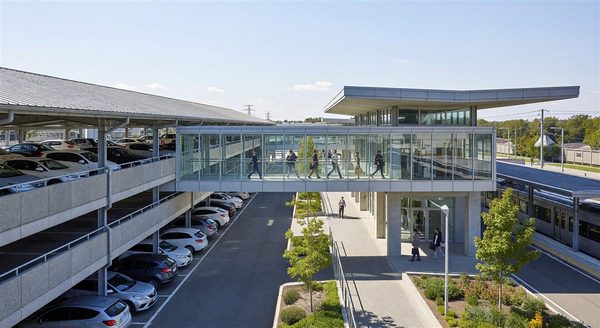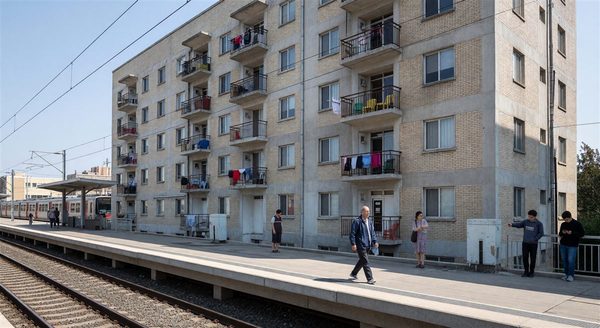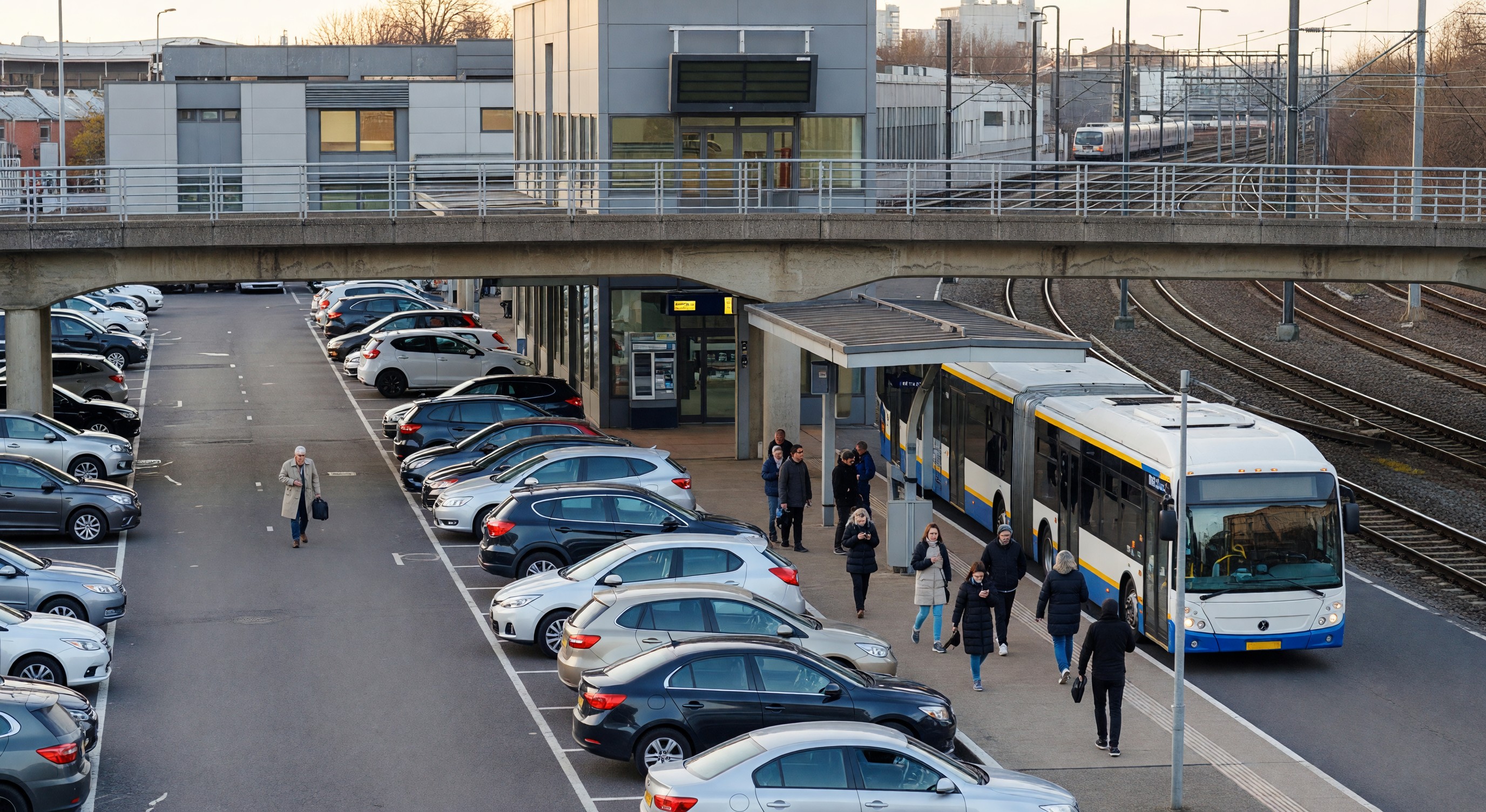
Parking at transit stations has long been seen as a mechanism to extend a rail or bus rapid transit network’s geographic reach — parkers who would not walk to a transit stop can drive to a station, park, and continue by transit into the urban core. This park-and-ride model drove significant parking construction adjacent to suburban transit stations in the 20th century. The model is now being reconsidered: transit-oriented development (TOD) policy advocates using station land for housing and mixed use rather than surface parking; micromobility provides alternative first/last mile access; and pandemic-era transit ridership changes have altered the calculus. Understanding the current state of transit-oriented parking trends helps parking operators and transit agencies navigate a changing environment.
The Traditional Park-and-Ride Model
Park-and-ride facilities at suburban transit stations have served three functions:
Transit access extension: Capturing riders from the suburban hinterland beyond walking distance of transit stops. Without park-and-ride, transit serves primarily walkshed demand; with park-and-ride, it captures driving demand from a wider radius.
Ridership maximization: Transit agencies with park-and-ride facilities typically generate higher boardings per station than comparable stations without parking, because the catchment area is larger.
Congestion reduction in the urban core: Commuters who drive to a transit station rather than all the way downtown reduce parking demand and congestion in the urban core, with net system benefit if the transit route is attractive enough to attract ridership.
Revenue from parking: Station area parking can generate revenue that partially offsets the land and construction cost of the park-and-ride facility.
The Critique of Station Area Parking
Park-and-ride facilities have drawn increasing criticism from urban planning and transportation researchers:
Underuse of high-value station area land: Transit station areas are typically among the highest-value land in suburban transit corridors — accessible by transit, often with neighborhood amenities. Using this premium land for surface parking (or structured parking with limited development density) foregoes the housing and commercial development that would otherwise reduce housing shortages and build transit ridership from walking-distance residents.
Auto-dependence reinforcement: Designing transit stations for car access (large surface lots, frequent transit to serve inbound commuters only) makes the transit system function well for suburban drivers but fails to serve car-free households who live near the station.
Parking-intensive transit economics: Park-and-ride facilities are expensive to build and maintain. The per-rider cost of park-and-ride boardings (parking cost amortized per boarding) is often higher than the cost of alternative access modes (bus feeders, bikeshare).
Induced car use: Park-and-ride facilities that make driving to transit easier may induce vehicle trips that would otherwise be transit trips or car-free — riders who live within transit service of a station but drive to the park-and-ride because it’s more convenient.
TOD Policy: Reducing Station Area Parking
Transit-oriented development policy increasingly redirects station area land from parking to mixed use:
Transit agency land development programs: BART (Bay Area Rapid Transit), Washington Metro, and other transit agencies have developed programs to convert or redevelop surface parking lots at stations into high-density mixed-use developments. BART’s station area development program has produced thousands of housing units on former parking lots at multiple stations.
Local planning and zoning: Cities near transit stations are adopting TOD overlay zones that allow or require higher-density mixed-use development within defined distances of stations, with reduced or eliminated parking minimums. California’s TOD law (AB 2923) requires jurisdictions adjacent to BART stations to allow transit-oriented development at specified minimum densities.
FTA policy evolution: The Federal Transit Administration’s grant programs have evolved to favor transit investments that include station-area land use reform. Projects that maintain large park-and-ride facilities on premium station area land while seeking federal funding for transit expansion face increasing scrutiny.
The Hybrid Transit Access Model
Rather than choosing between maximum park-and-ride and zero parking, many transit systems are moving toward hybrid access models:
Distributed access: Instead of one large park-and-ride at the main station, parking is distributed at secondary stations with capacity, reducing pressure on the primary station area while maintaining transit access for suburban parkers.
Paid parking for station area: Converting free or low-cost park-and-ride to market-rate priced parking (as BART has done at most stations) reduces car-dependent ridership while generating revenue and moderating land use pressure.
First/last mile investment: Improving bus feeder service, bikeshare access, and pedestrian infrastructure around stations increases non-car access so that park-and-ride parking can be reduced without reducing total ridership.
Remote park-and-ride: Parking facilities at the edge of the transit catchment area (farther from the urban core), served by express bus connections to the transit line, preserve park-and-ride access without consuming high-value station area land.
Private Parking Operators at Transit Stations
Private parking operators that own or manage parking at or near transit stations are affected by TOD trends:
Demand reduction from policy changes: Transit agency decisions to convert park-and-ride to TOD reduce the available parking supply, potentially increasing demand at nearby privately operated facilities.
Partnership opportunities: Transit agencies seeking to reduce their own parking footprint while maintaining access may lease or partner with adjacent private parking facilities to maintain net parking capacity while freeing station area land for development.
Pricing opportunities: Conversion of free or subsidized transit parking to market-rate parking shifts demand toward private facilities that have historically been price-competitive with free transit agency lots.
Replacement parking requirements: TOD developments at transit stations often include parking (at lower than historical ratios), with some of that parking operated by commercial operators and open to transit riders rather than exclusively for building occupants.
Frequently Asked Questions
Does eliminating park-and-ride reduce transit ridership? In the short term, eliminating station area parking reduces ridership among park-and-ride users. In the long term, replacing parking with TOD development increases walking-distance transit users who make more frequent transit trips than park-and-ride commuters. Research from BART’s TOD program suggests that the long-term ridership from TOD exceeds the ridership lost from park-and-ride reduction in most analyzed stations.
How does micromobility change the park-and-ride calculus? Bikeshare and scooters extend the non-car first/last mile radius significantly — a transit rider who lives 1.5 miles from a station and would not walk can reach the station by bike in 5 to 10 minutes. As micromobility coverage expands, the catchment area of non-parking transit access increases, reducing the ridership contribution of park-and-ride. This shifts the calculus toward TOD at stations with good micromobility coverage.
What is the evidence that TOD generates more transit ridership than park-and-ride? Research from Cervero and others at UC Berkeley’s IURD, and analysis of BART’s TOD program, consistently finds that residents of TOD near transit stations use transit at much higher rates than suburban park-and-ride users. Per-unit-of-land area, TOD generates significantly more transit trips than parking. The comparison per dollar of subsidy also typically favors TOD over park-and-ride construction.
What parking ratio is appropriate for TOD developments at transit stations? Parking ratios in TOD vary widely by transit access quality, local policy, and market. Transit-rich urban TOD may provide 0.3 to 0.5 spaces per unit; transit-adjacent suburban TOD may provide 0.5 to 1.0 spaces per unit. TOD at suburban express rail stations serving primarily commuter patterns may provide 0.7 to 1.2 spaces per unit. Market research and transit access quality should drive the specific ratio rather than blanket standards.
Takeaway
Transit-oriented parking policy is in active transition — from the park-and-ride maximization paradigm of the mid-20th century toward a model that values station area land for TOD development, provides first/last mile alternatives, and uses market-rate pricing to manage demand for whatever parking remains. For parking operators near transit stations, this transition creates both challenges (demand reduction from park-and-ride elimination) and opportunities (price-competitive positions as free park-and-ride disappears, partnership opportunities with transit agencies, and demand from new TOD residents who may own cars even if they live near transit). Understanding the specific transit agency’s station area development strategy is essential context for operators managing parking facilities in transit corridors.
Further Reading from Authoritative Sources
- TRB transit-oriented development and park-and-ride effectiveness research — TRB publishes peer-reviewed research on transit-oriented development, park-and-ride effectiveness, and station area land use that provides the empirical foundation for the policy arguments against park-and-ride maximization described in this article.
- US DOT FTA transit-oriented development policy and station area land use guidance — The US Department of Transportation and its Federal Transit Administration publish TOD policy guidance, station area development frameworks, and grant program requirements that directly govern the policy context described in this article.