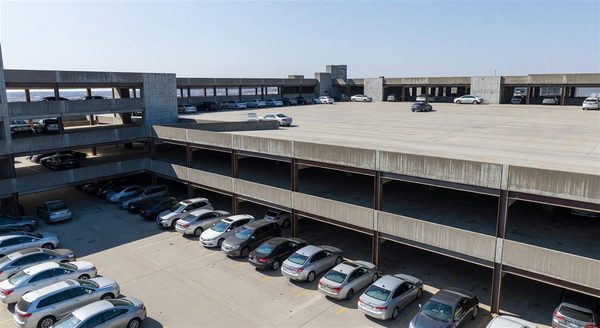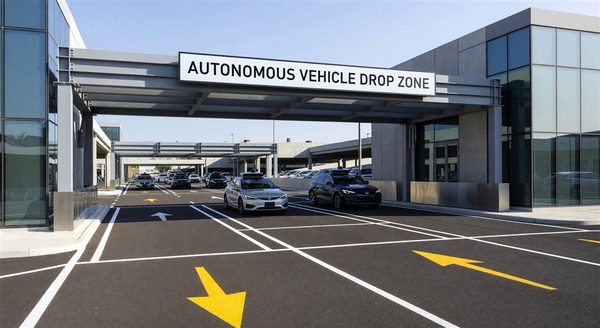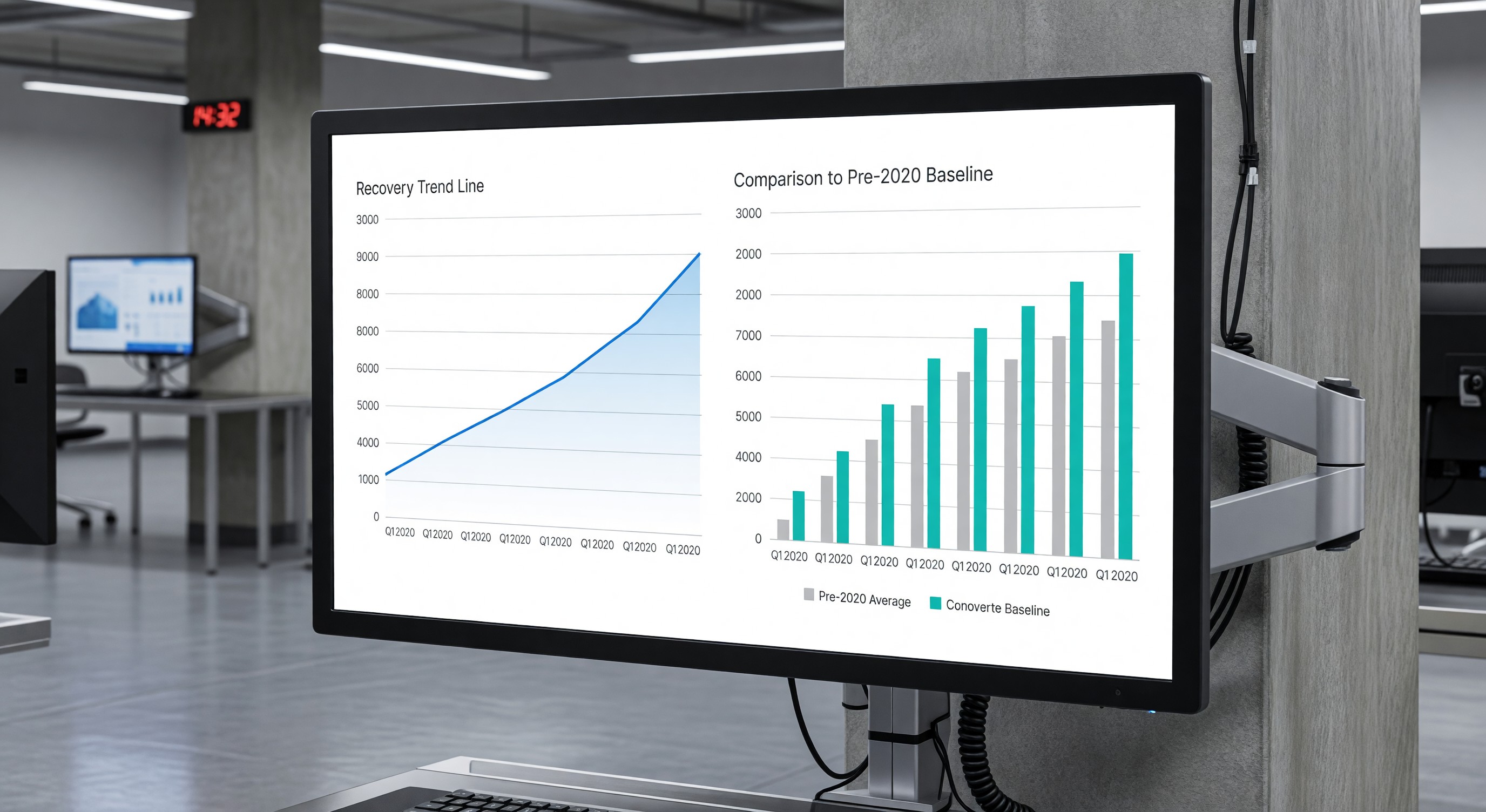
The 2020 pandemic disruption was the most severe demand shock in parking industry history — facility closures, shelter-in-place orders, and dramatic reductions in travel produced revenue declines of 50 to 90 percent in the spring of 2020 for most commercial parking operations. The recovery that followed has been uneven: some market segments have exceeded pre-2020 revenue, others have achieved near-full recovery, and some face structural demand changes that make pre-2020 revenue levels an unrealistic recovery target. Understanding which segment is which — and what has driven differentiated recovery trajectories — provides important context for parking operators assessing their own recovery position and planning their next phase.
Fully Recovered and Exceeding Pre-2020 Levels
Airport parking: Airport travel recovery has been one of the strongest post-pandemic narratives. By 2022-2023, domestic air travel had recovered to and exceeded pre-2020 levels at most major airports. Airport parking followed — economy lot and garage revenue has recovered fully in most markets, and some airport parking operations have exceeded 2019 revenue due to a combination of higher parking rates and strong leisure travel demand.
Event parking: Concert, sports, and live entertainment parking has seen strong recovery as pent-up demand for live experiences drove event attendance to record levels in 2022 and 2023. Operators with facilities near major venues have seen event parking revenue exceed 2019 levels in many cases, driven by both recovering event schedules and increased ticket prices that have made parking fees more acceptable relative to total event cost.
Sun Belt markets: Cities with population growth, warm climates, and relatively auto-dependent transportation infrastructure (Miami, Dallas, Nashville, Phoenix, Las Vegas) have seen parking demand recover faster and more completely than transit-dense northeastern and West Coast markets. Population growth in these markets has added new parking demand.
Hotel parking: Business and leisure hotel occupancy recovery has driven hotel parking recovery. Facilities that primarily serve hotel guests have generally tracked hotel occupancy recovery — strong leisure travel has supported revenue even in markets where business travel lagged.
Partially Recovered: Office-Centric Parking
Downtown commercial parking serving primarily office commuters has been the most incomplete recovery story — for structural reasons related to hybrid work adoption discussed elsewhere:
Monthly permit recovery: Most markets show monthly permit program recovery to 80 to 90 percent of 2019 levels by 2024-2025, with the balance attributable to hybrid work reducing daily commute frequency and thus monthly permit demand.
Transient demand recovery: Downtown transient parking has shown stronger recovery than monthly permits in many markets, as hybrid workers park on in-office days rather than maintaining monthly permits and as downtown retail, restaurant, and entertainment traffic recovers.
Revenue rate impact: Parking rate increases implemented during and after recovery have partially offset reduced volume — many downtown commercial operators have achieved near-2019 revenue at lower occupancy through higher rates, though this strategy has natural limits.
Market differentiation: Office-centric parking in markets with strong office market fundamentals (e.g., Miami, Houston) has recovered more fully than in markets with high hybrid work adoption (San Francisco, Seattle, Denver).
Not Yet Recovered: Specific Market Challenges
Downtown office markets with high remote work concentration: Facilities primarily serving tech and financial services employers with high hybrid work adoption face recovery plateaus significantly below 2019 levels. These markets include San Francisco’s Financial District, Seattle’s downtown core, and portions of suburban office parks near major tech campuses.
Transit-adjacent facilities where transit ridership is below 2019: Some park-and-ride facilities have recovered slowly because transit ridership itself has not fully recovered — transit systems that have reduced service frequency, reduced hours, or face safety perception issues have seen permanent ridership loss that affects park-and-ride demand.
Urban surface lots threatened by development: Some urban surface lots that were performing below their pre-2020 levels have faced development pressure as the land value has increased faster than parking revenue recovery makes holding the lot profitable.
Operator Adaptation Strategies That Have Driven Recovery
Rate optimization: Operators who aggressively adjusted rates during and after the recovery period — using demand data to identify rate-inelastic demand and raising rates accordingly — have recovered revenue at lower occupancy than those who maintained pre-2020 rates.
Product diversification: Operators who developed new revenue products — flexible monthly permit structures, on-demand parking reservation platforms, weekend and evening transient programs targeting leisure demand — have reduced their dependence on the office commuter segment that recovered most slowly.
Expense management: Cost reductions achieved through automation and staffing model changes during the pandemic period have been maintained by many operators, improving operating margins even at somewhat lower revenue levels.
Ancillary revenue development: EV charging, advertising, and event-specific programs have been developed by some operators as incremental revenue sources that supplement core parking revenue.
Market repositioning: Facilities previously dependent on Monday-Friday office commuters have actively targeted weekend leisure traffic, evening restaurant and entertainment parkers, and special event demand through targeted marketing and rate strategies.
Recovery Metrics and Benchmarking
Revenue recovery vs. 2019 baseline: The most straightforward recovery metric — current year revenue as a percentage of 2019 revenue — benchmarks where a facility stands relative to the pre-disruption baseline.
Revenue per available space-hour (REVPASH): A more nuanced metric that accounts for rate changes alongside occupancy — some facilities have achieved near-2019 REVPASH at lower occupancy through higher rates, reflecting genuine operational performance improvement rather than simple volume recovery.
Monthly permit count recovery: Tracking monthly permit count against 2019 as a leading indicator of the subscription revenue base. Facilities where monthly permits remain significantly below 2019 are more dependent on transient demand variability.
Operating cost margin: If recovery was achieved partly through automation-driven cost reduction, the margin comparison vs. 2019 may be favorable even with revenue below 2019 — an important distinction between revenue recovery and financial recovery.
Frequently Asked Questions
Has the parking industry fully recovered from the 2020 demand disruption? At the aggregate industry level, parking revenue has recovered to approximately 2019 levels by 2023-2024, but recovery is highly uneven. Airport, event, and sun belt commercial parking has exceeded 2019 revenue; downtown office-centric parking in high-hybrid-work markets remains below 2019.
What is the long-term revenue outlook for downtown commercial parking? In markets with persistent high hybrid work adoption, downtown office parking faces a new normal where monthly permit demand is structurally below 2019 levels. Long-term revenue outlook depends on: the pace of downtown residential and mixed-use development (adding non-office demand), leisure and hospitality demand recovery, and whether employers eventually increase in-office requirements. Many operators project a 2019 revenue recovery ceiling without active product diversification.
How have parking rates changed since 2019? Most markets have seen significant parking rate inflation since 2019 — driven by general inflation, labor cost increases, and operators using pricing to offset lower volume. Analysis of IPMI and NPA data suggests average commercial parking rates have increased 20 to 35 percent since 2019 in major markets, with higher increases in markets with strong demand and lower increases in markets with weak demand.
What has been the most effective recovery strategy for operators with office-centric demand? Product diversification — developing evening, weekend, and leisure demand to reduce dependence on Monday-Friday office commuters — combined with flexible monthly permit products for hybrid workers (shared permits, punch card programs) has been the most consistently successful strategy. Operators who continued to depend primarily on recovering office permit demand without active product development have seen slower financial recovery.
Takeaway
Parking industry recovery from the 2020 demand shock is largely complete at the aggregate level, but meaningfully incomplete in the downtown office parking segment in high-hybrid-work markets. The differentiation between recovery-complete and recovery-plateaued segments has become the defining strategic distinction in the industry — operators who understand which category their facilities occupy can plan their product development, pricing, and investment strategies accordingly. The operators best positioned for the next phase are those who have accepted that pre-2020 monthly permit levels may not return fully in affected markets and have adapted their business models toward demand diversification rather than waiting for a return to the prior normal.
Further Reading from Authoritative Sources
- IPMI parking benchmarking data for post-pandemic revenue recovery comparison — IPMI’s benchmarking program is the primary industry source for comparative revenue recovery data that gives individual facility recovery metrics market context — cited in this article through NPA and IPMI data references on rate increases and permit recovery levels.
- US DOT transportation performance management framework for parking demand and recovery analysis — The US DOT transportation performance management framework provides the performance measurement methodology that underpins REVPASH and data-driven recovery analysis described in this article, relevant to how operators assess their recovery position relative to pre-2020 performance.