Parking operations generate substantial operational data — real-time occupancy counts, vehicle dwell times, transaction records, license plate reads, payment method distributions, and increasingly detailed pattern data from connected parking infrastructure. This data has value beyond internal operational use: navigation companies pay for real-time availability data, cities use mobility data for planning, commercial real estate researchers analyze parking data for market intelligence, and some operators are finding that their data assets have measurable value independent of parking revenue. Understanding the landscape of parking data monetization opportunities — and the privacy obligations that govern them — is increasingly important as data becomes a more significant parking industry topic.
Types of Parking Operational Data
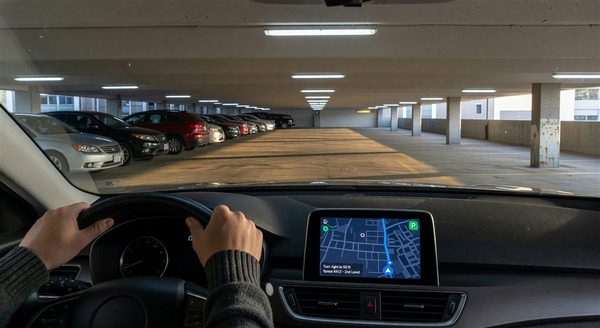
Real-time occupancy data: Current available space count by facility, zone, or individual space. The most commercially valuable data product for navigation platforms and smart city programs, because it is directly actionable for drivers.
Transaction data: Individual parking session records including entry time, exit time, duration, payment amount, and payment method. Aggregate transaction data supports research, planning, and benchmarking. Individual transaction data is personal information subject to privacy regulations.
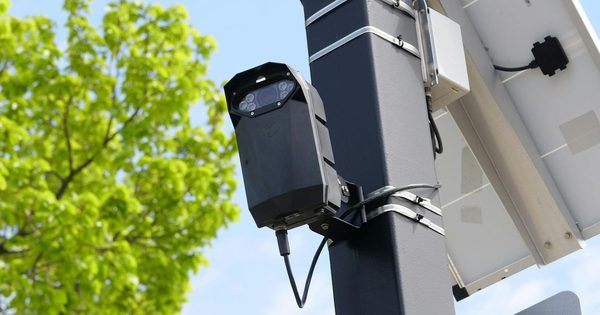
License plate data: Plate reads from LPR systems, time-stamped and location-tagged. Rich source of vehicle movement data but highly sensitive — subject to DPPA and state LPR privacy laws that significantly restrict commercial data sharing.
Demand pattern data: Derived analytics from transaction data — occupancy curves by hour of day and day of week, seasonal demand patterns, duration distributions, payment method mix. Aggregate pattern data that doesn’t identify individual vehicles is less privacy-sensitive than transaction-level data.
Dwell time data: How long vehicles stay — by facility, by time of day, by entry day of week. Useful for urban planning, commercial real estate market analysis, and retail demand research.
Facility performance data: Revenue metrics, equipment uptime, customer satisfaction data. Used for industry benchmarking (IPMI annual report) and management company analytics.
Real-Time Availability Data Monetization
Real-time occupancy data is the most actively commercialized parking data product:
Navigation platform partnerships: Google, HERE Technologies, TomTom, and Waze accept real-time parking availability data from facility operators and aggregators. The commercial terms vary — some platforms pay for data, others provide visibility/distribution in exchange for data without direct payment. Google’s historical approach has been to offer exposure in search and maps as the compensation for parking availability data rather than direct payment.
Parking data aggregators: Companies including ParkHub, FLASH Parking, and others aggregate parking availability from multiple operators and sell or distribute it to navigation platforms, fleet management systems, and smart city platforms. Operators who provide data to aggregators receive either revenue share or distribution benefits depending on the commercial arrangement.
Municipal smart parking programs: Cities implementing smart city parking programs may pay parking facilities (or provide other value — preferred vendor status, reduced permit fees) for real-time occupancy data that feeds municipal parking guidance systems.
Smart city data platforms: Urban data platforms (operated by cities or third parties like Sidewalk Labs before its closure, or similar entities) aggregate mobility data from multiple sources. Parking operators who provide data to these platforms may receive compensation or access to complementary data sets (pedestrian counts, traffic volumes) in exchange.
Aggregate Demand and Pattern Data Monetization
Anonymized aggregate parking demand data — pattern data that doesn’t identify individual vehicles or transactions — has fewer privacy constraints and broader commercial applications:
Commercial real estate research: Real estate researchers and investors analyze parking demand patterns as a proxy for retail and office activity. Parking demand at a shopping center or downtown parking district provides a proxy measure of foot traffic and commercial activity. CBRE, JLL, and specialized retail analytics firms have purchased or licensed parking data for real estate market analysis.
Urban planning research: Municipal planning agencies use parking demand data for transportation and land use planning — understanding how demand varies by location, time, and use type informs both policy decisions and infrastructure investment. This data is often provided to municipalities at low or no cost as a public benefit, with the operator benefiting from the relationship rather than direct payment.
Advertising and retail analytics: Dwell time data (how long vehicles are present at or near a retail location) has been marketed to retailers as an analog for foot traffic measurement. This application sits at the edge of acceptable data use and requires careful privacy analysis.
License Plate Data: A Cautionary Category
LPR data monetization raises significant privacy and legal concerns that make it the most restricted data category for commercial sharing:
DPPA restrictions: The Driver’s Privacy Protection Act restricts the use of personal information from motor vehicle records. License plate data that is used to look up registered owner information implicates DPPA. Commercial aggregation and sale of plate movement data to third parties who use it for tracking or other purposes that are not DPPA-permitted is legally risky.
State LPR laws: Several states have enacted specific restrictions on LPR data collection, retention, and sharing by private entities. Commercial data aggregation from private LPR systems is restricted in Utah, Arkansas, and other states.
Reputational risk: Even where technically legal, commercial sale of vehicle movement data — enabling third parties to track vehicle locations over time — raises serious ethical concerns and has received significant negative press coverage when publicized. Several companies that pursued aggressive LPR data monetization have faced reputational and regulatory backlash.
Appropriate LPR data use: Sharing aggregate, de-identified LPR data (number of vehicles per hour, average dwell times by zone) rather than individual plate-level data addresses most privacy concerns while still providing commercially valuable demand pattern information.
Privacy Framework for Data Monetization
Data minimization: Collect only the data needed for operational purposes. Avoid creating richer data assets than operations require, as broader collection creates broader privacy obligation.
Anonymization and aggregation: Before sharing data commercially, aggregate individual records to the level where individual vehicles cannot be re-identified. Aggregate occupancy counts and demand pattern data are far safer to share than individual transaction records or plate-level data.
Contractual use restrictions: Data sharing agreements should specify how the receiving party can use the data, prohibit resale or further disclosure, and require deletion at the end of the agreement.
Privacy notice disclosure: If data is shared with commercial third parties, the facility’s privacy notice should disclose this sharing, the categories of data shared, and the purposes.
Legal review: Any commercial data monetization program should be reviewed by legal counsel familiar with DPPA, applicable state privacy laws, and any industry-specific regulations.
Frequently Asked Questions
Can a parking operator legally sell license plate data? The answer depends on the specific data and jurisdiction. Sharing aggregate, non-plate-specific demand data (occupancy counts, dwell time averages) is generally permissible. Selling individual plate-level movement data for commercial tracking purposes faces significant legal risk under the DPPA and state LPR laws, and substantial reputational risk regardless of legal permissibility.
What is the revenue potential from parking data monetization? For most individual parking operations, direct data revenue from navigation platform partnerships is modest — measured in thousands of dollars annually for high-volume facilities. The more significant economic value of data sharing is typically indirect: distribution in navigation platforms that drives discoverability and increases facility utilization. Large portfolios with aggregated data from multiple facilities have more commercial value to data buyers.
Are there standard contracts for parking data sharing? There are no universally adopted standard contracts for parking data sharing. Operators sharing data with navigation platforms typically sign the platform’s standard data provider agreement; data sharing with municipalities may use municipal data sharing agreements. Legal review of any data sharing agreement is advisable.
How does the Alliance for Parking Data Standards (APDS) affect data monetization? APDS provides standardized data formats that make it easier to share parking data across platforms — reducing the technical barrier to data sharing. APDS does not directly address the commercial economics or privacy governance of data sharing, but standardized formats enable the marketplace for parking data by making data from multiple operators more interoperable.
Takeaway
Parking data has genuine commercial value — particularly real-time availability data for navigation platforms and aggregate demand pattern data for planning and real estate analytics. The revenue opportunity from direct data monetization is modest for most operators but can be augmented by the indirect distribution and demand benefits of navigation platform partnerships. The critical constraints on data monetization are privacy law — particularly the DPPA for plate data, state privacy laws for personal information, and state LPR laws for location data. Operators who approach data monetization with privacy counsel review, appropriate use restrictions in data agreements, and honest assessment of the reputational risk of specific data products will participate in data markets responsibly and sustainably.
Further Reading from Authoritative Sources
- IPMI parking data standards and monetization guidance for operators — The International Parking and Mobility Institute publishes guidance on parking data standards and management that provides the professional context for the data monetization strategies and privacy considerations discussed in the article.
- Transportation Research Board smart city data integration and parking data research — The Transportation Research Board publishes research on transportation data management and smart city integration that provides the technical and policy context for the parking data monetization opportunities described in the article.