Airport parking was, for several decades, a reliable cash cow for airport authorities — a captive audience of departing passengers who needed vehicle storage and had limited alternatives. The growth of ride-hail (Uber and Lyft) between 2012 and 2019 fundamentally altered the competitive position of airport parking, providing an attractive alternative that eliminated the need to park a vehicle. Understanding how airport parking has evolved in response to TNC competition — and how airports and parking operators have adapted — is relevant both for airport parking specifically and for the broader question of how parking adapts to modal competition.
The TNC Disruption to Airport Parking
Ride-hail services disrupted airport parking through an economic substitution that is directionally clear even if the magnitude varies by airport, trip type, and passenger segment:
Single-traveler trip economics: For a short business trip of two to three days, the economics of Uber vs. parking can be comparable. At a major hub airport with economy parking rates of $20-$25/day, a three-day trip costs $60-$75 in parking. An Uber round trip from a suburban home might cost $40-$80 depending on distance. The economic comparison is close enough that convenience and preference drive the choice.
Multi-day leisure travel: For longer leisure trips (seven to ten days), economy parking ($140-$250) becomes significantly more expensive than an Uber round trip ($60-$100 from typical suburban origins), favoring ride-hail strongly.
Measured impact: Airport parking revenue data from the 2014-2019 period shows demand erosion at most major airports, with economy parking particularly affected. INRIX and airport authority reports documented declining airport parking transaction volumes even as air travel passenger counts grew — a stark divergence that attributes directly to TNC substitution.
Pandemic reset: The pandemic disrupted both airport travel and TNC demand simultaneously, making the 2020-2022 period difficult to analyze. Post-pandemic recovery has seen airport parking recover strongly at most airports — partly driven by the same travelers who previously used ride-hail discovering that post-pandemic TNC surge pricing and reliability concerns make airport parking more attractive again.
Airport Revenue Response Strategies
Airport authorities have responded to TNC competition with several strategies:
TNC fees: Airport authorities implemented per-trip TNC fees when TNCs enter airport grounds (pickup and/or dropoff). These fees (typically $2.50 to $6.00 per trip at major airports) recover some of the revenue displacement from parking to ride-hail, treating TNC ground transportation as a revenue-generating use of airport infrastructure rather than a free alternative to parking.
Premium parking product differentiation: Airports have invested in premium parking products — covered parking, indoor parking with direct terminal connection, express valet, premium-positioned short-term lots — that provide a value proposition TNC cannot match. A passenger who values guaranteed vehicle availability, no surge pricing risk, and seamless return can be captured in premium parking tiers at premium prices.
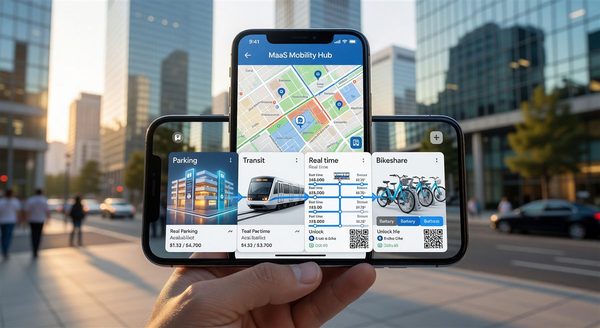
Technology-enabled experience improvements: Frictionless parking (LPR entry and exit), real-time availability apps, advance reservation systems, and mobile payment have improved the airport parking experience, competing with the convenience advantage TNC had previously held.
Package and loyalty programs: Airport authority loyalty programs that provide earned status benefits (free upgrades to premium parking, discount days, priority access) create switching costs and brand loyalty among frequent travelers who park regularly.
TNC Ground Transportation Management
Managing TNC staging — vehicles waiting for pickup requests — is a major operational challenge for airport ground transportation:
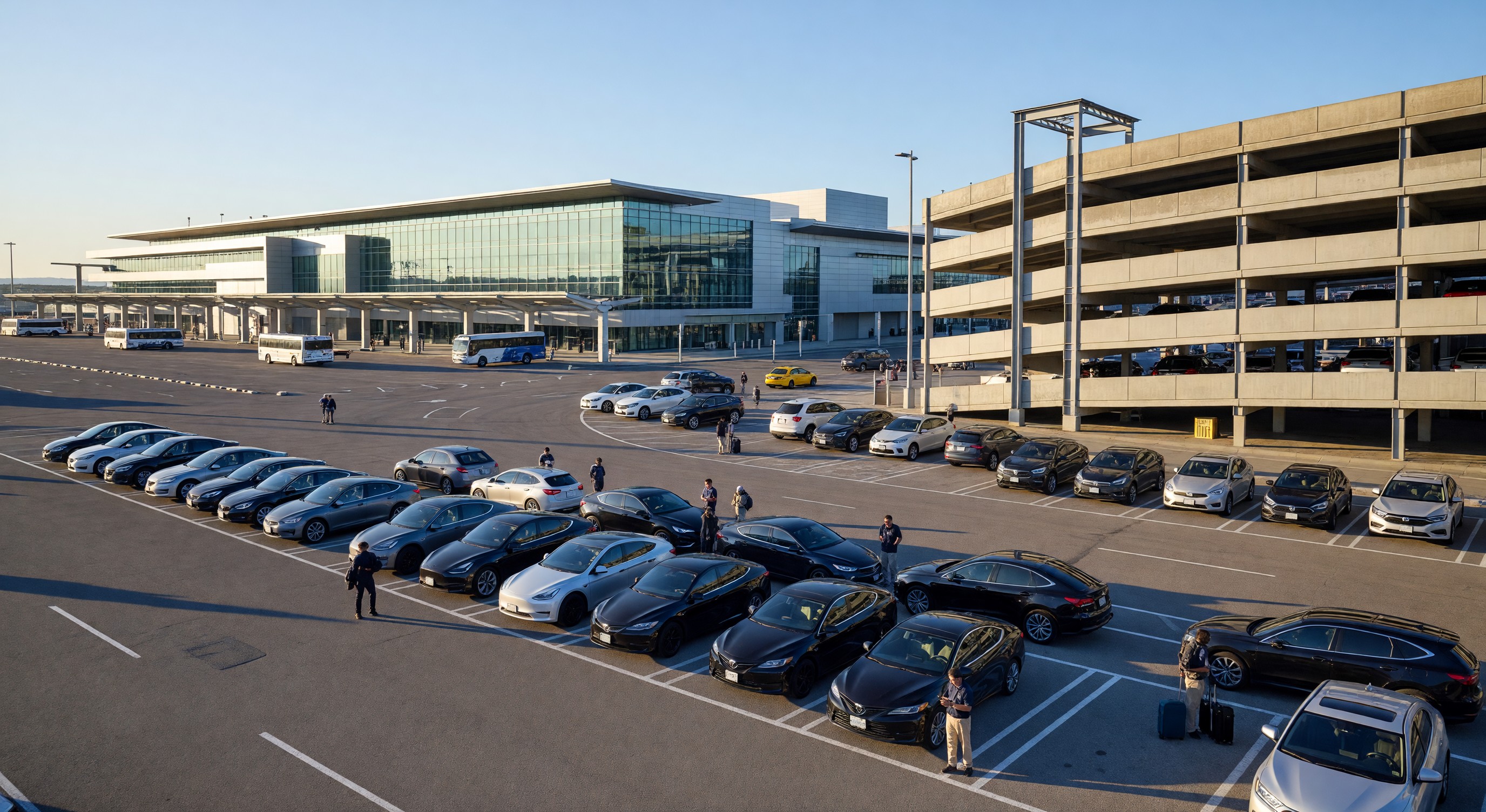
Remote staging lots: Most major airports have designated TNC staging areas removed from the terminal curbside — drivers wait in a designated lot until matched with a passenger, then proceed to a designated pickup zone. Remote staging reduces the congestion of waiting vehicles at terminal curbs.
Pickup zones: Designated TNC pickup zones, typically color-coded or labeled and separated from taxi stands, manage the flow of arriving TNC vehicles for passenger pickup. High-volume airports have implemented dynamic pickup zone assignment — directing specific vehicles to specific positions through the driver’s app.
Dropoff management: TNC dropoffs at terminal curbside compete with arriving vehicle flows. Some airports have designated TNC dropoff zones separate from general curbside traffic; others integrate TNC dropoff into general curbside flow with time limits enforced by camera monitoring.
Airport TNC program revenue: TNC fees generate meaningful revenue at high-volume airports — a major hub processing 100,000 TNC trips monthly at $4 per trip generates $400,000 monthly in TNC fees. This revenue partially offsets parking revenue displacement, and airports increasingly treat TNC fees as a strategic revenue stream that grows with TNC adoption rather than competes with it.
Premium Airport Parking Products
The response to TNC competition has included extensive premium product development:
Express valet: Valet service at the terminal curbside with return in 10 to 15 minutes of call — providing the convenience of not parking while retaining vehicle storage. Express valet at $50 to $80/day commands a premium over economy parking that serves customers willing to pay for curbside convenience.
Covered and climate-controlled parking: In hot climates (Phoenix, Las Vegas, Houston), covered parking that keeps vehicles cool and reduces UV exposure commands premiums of $5 to $15/day over uncovered economy parking. Customers returning from extended trips to a cool vehicle rather than an oven-hot car experience a meaningful benefit.
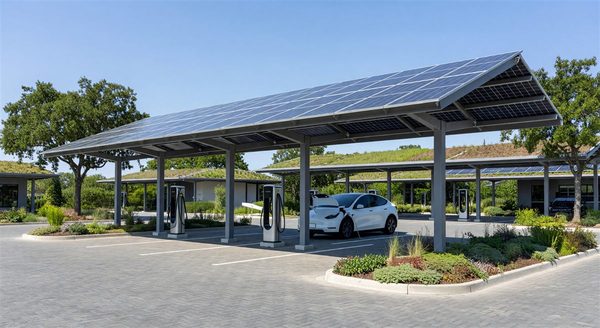
Electric vehicle preferred parking with charging: Designated EV parking with charging available during travel provides an EV-specific benefit that TNC cannot match — returning to a fully charged vehicle at no incremental cost (if electricity is included). Airports that deploy this product well are capturing the growing EV traveler segment.
Meet-and-greet services: Staffed meet-and-greet services that take the vehicle from the curbside at departure and return it to the curbside at arrival — essentially valet with full storage — provide a white-glove airport parking product for premium-paying travelers.
Long-Term Outlook
Structural TNC demand persistence: Ride-hail is now a permanent feature of airport ground transportation, not a temporary trend. Airports that plan for a world with robust TNC competition — rather than hoping for a return to pre-TNC parking demand — are making more accurate long-term assumptions.
Autonomous vehicle wildcards: Autonomous vehicle adoption could affect airport ground transportation in ways that are genuinely uncertain — autonomous vehicles could either reduce parking demand (personal vehicles that drive themselves home and back) or have complex effects on both parking and TNC that are difficult to predict.
Parking as service quality competition: The airports that succeed in maintaining parking revenue will be those that compete on the genuine value proposition of parking — guaranteed availability, no surge pricing, vehicle return reliability, premium experience — rather than assuming a captive audience.
Frequently Asked Questions
Have TNC fees fully compensated for airport parking revenue losses? At most major airports, TNC fee revenue has partially but not fully offset parking revenue displacement attributable to ride-hail substitution. The net effect on total ground transportation revenue varies by airport — airports in markets with high TNC adoption have seen larger parking revenue displacement and generate more TNC fee revenue. Most airport CFOs view TNC fees as important but insufficient to neutralize the parking revenue impact of ride-hail.
Why have some airports seen parking revenue recover post-pandemic? Post-pandemic parking recovery reflects several factors: surge pricing and reliability concerns with TNCs have led some travelers to return to parking; premium parking product investment has attracted travelers who previously used ride-hail; and domestic leisure travel recovery (which favors driving to the airport from closer origins than business travel) has benefited economy parking. The recovery is real but does not necessarily reflect a permanent reversal of TNC structural competition.
What is the appropriate strategic response for a non-hub airport with limited parking demand? Smaller regional airports with primarily leisure and VFR (visiting friends and relatives) traffic have different competitive dynamics than major hubs. At smaller airports, TNC availability may be less consistent (fewer drivers, longer wait times) and parking is often more price-competitive. The strategic focus is maintaining affordable pricing, reliable facility operation, and convenient access — the basics — rather than premium product development that requires passenger volume to support.
How should airport parking revenue be modeled in long-term financial plans? Long-term airport financial plans should model parking revenue conservatively — assuming modest continued erosion from TNC and potential future erosion from autonomous vehicles — rather than assuming recovery to pre-TNC baselines. Sensitivity analysis showing parking revenue outcomes under different TNC adoption and autonomous vehicle scenarios helps airport finance teams understand the range of future outcomes.
Takeaway
Airport parking has adapted to TNC competition through fee structures that capture ride-hail revenue, premium product development that provides value TNC cannot match, and experience improvements that compete with ride-hail convenience. The adaptation has been successful enough that airport parking remains a significant revenue stream at most major airports, but the competitive landscape has permanently changed — airport parking revenue is now earned rather than assumed. Airports and parking operators who invest in genuine product quality, experience improvement, and revenue diversification (including TNC fees) are positioned to maintain strong ground transportation revenue in a multi-modal environment where parking is one option among several rather than the only option.
Further Reading from Authoritative Sources
- IPMI airport parking management and revenue recovery guidance — The International Parking and Mobility Institute publishes airport parking management guidance and industry data that provides the professional context for the revenue trends and strategic responses discussed in the article.
- Transportation Research Board airport ground access and parking demand research — The Transportation Research Board publishes research on airport ground access and parking demand that provides the evidence base for the TNC impact quantification and parking demand trend analysis in the article.