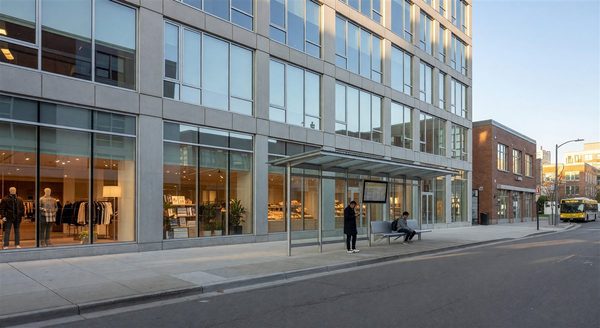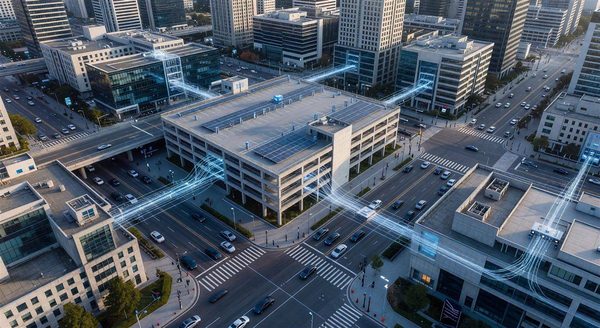
The curb — the regulated strip of street space immediately adjacent to buildings — has become one of the most contested resources in urban transportation. Traditional curb allocation (metered parking, loading zones, bus stops, fire hydrant setbacks) was designed for a transportation environment where parking was the primary curb use and goods delivery was infrequent. The explosion of ride-hailing, e-commerce delivery, food delivery, bikeshare, scooter share, and outdoor dining has created intense competing demands for curb space that was never designed to accommodate them all simultaneously. Cities and property managers are responding with new curb allocation frameworks, pricing mechanisms, and technology that represent a significant rethinking of how urban curb space is managed.
The New Demand Landscape
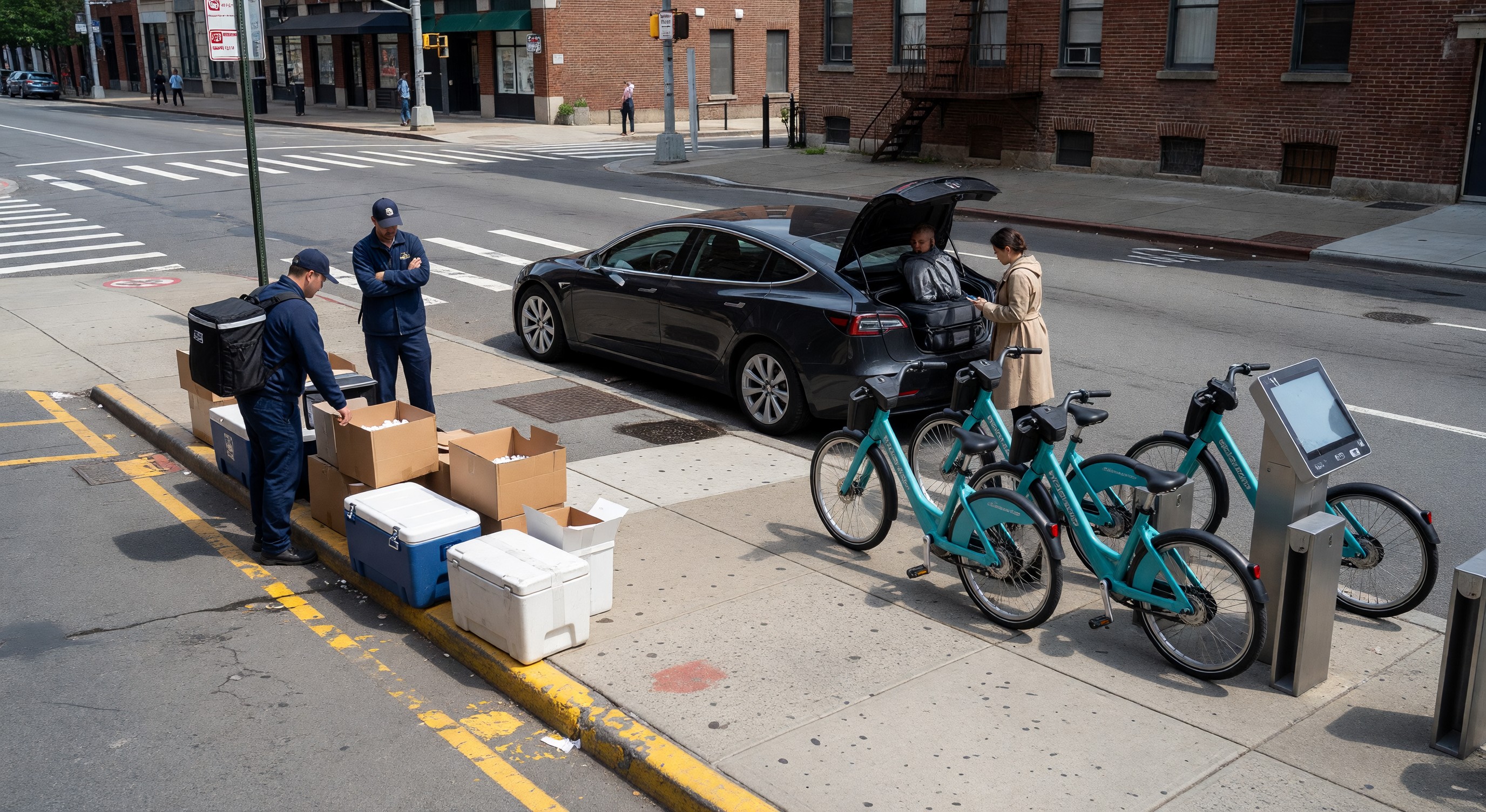
Ride-hailing pickup and dropoff: Uber and Lyft pick-up and drop-off volumes in urban cores have created significant curb demand that has no designated space in most cities’ traditional curb allocation. Drivers who cannot access a designated pickup zone double-park in travel lanes or use metered parking spaces temporarily — creating congestion and undermining the curb functions those spaces were intended to serve.
Last-mile delivery vehicles: E-commerce growth has dramatically increased the frequency of commercial delivery vehicles in urban areas. FedEx, UPS, Amazon Delivery, and USPS trucks need curb access for deliveries; traditional loading zones are often insufficient in number, too short in length, or occupied by illegally parked personal vehicles. Delivery vehicles that cannot access loading zones park in travel lanes, contributing to significant urban congestion.
Food delivery consolidation points: Food delivery drivers (DoorDash, Uber Eats, Grubhub) wait at restaurants for orders. In dense restaurant districts, this creates clusters of delivery vehicles occupying metered parking or actively circulating while waiting for dispatch.
Outdoor dining: The pandemic-era expansion of outdoor dining into parking spaces — parklets — has consumed thousands of formerly metered parking spaces in cities that made temporary programs permanent. San Francisco, New York, and other cities have kept significant quantities of former parking curb space as dining space.
Bikeshare and scooter parking: Docked bikeshare stations and designated scooter parking zones occupy curb space that would otherwise serve metered parking or loading.
Policy Responses: Dynamic Curb Allocation
Cities with active curb management programs are moving toward dynamic rather than static curb allocation:
Time-of-day allocation: The same curb space is designated for different uses by time of day. A block face might be a commercial loading zone from 6 AM to 10 AM (before businesses open to customers), metered parking from 10 AM to 4 PM (peak retail hours), and a ride-hailing pickup/dropoff zone from 4 PM to midnight (commute and evening entertainment peaks). Dynamic allocation better matches curb use to demand without requiring physical changes.
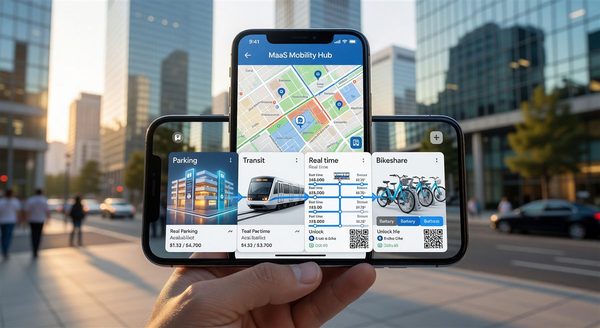
Zone-based curb redesign: Cities including San Francisco, Seattle, and New York have begun redesigning specific curb segments as designated commercial vehicle loading zones, ride-hailing pickup/dropoff zones, or mobility hubs that combine bikeshare, scooter parking, and transit stops — permanently removing metered parking from segments where the alternative use has higher demand value.
Curb pricing: Several cities are exploring curb pricing — charging commercial vehicles (delivery, ride-hailing) for curb access during peak demand periods. The economics of delivery and ride-hailing operations can support curb access fees that optimize curb space allocation toward highest-value uses.
Technology for Curb Management
Occupancy sensing: Cameras or in-ground sensors that monitor curb space occupancy by vehicle type — identifying whether a space is occupied by a delivery vehicle, ride-hailing vehicle, or standard parked car — provide the data needed for curb management program enforcement and optimization.
Digital curb permits: Commercial vehicles (delivery trucks, ride-hailing drivers) can be required to register and obtain digital permits for curb access in managed zones. Digital permits are validated by cameras or license plate readers at the curb, enabling enforcement without the need for enforcement officers to be physically present at each curb segment.
Curb data standards: The Open Mobility Foundation has developed the Curb Data Specification (CDS) — an open data standard for communicating curb regulations, curb occupancy, and curb events between cities, property managers, and technology companies. CDS enables navigation apps and fleet management systems to incorporate curb availability and regulations into route planning.
Geofencing for ride-hailing: Several cities have implemented geofencing that confines ride-hailing pickup/dropoff to designated zones — drivers whose apps are geofenced to approved pickup zones cannot generate a pickup request until they are within the designated area. This concentrates ride-hailing curb use in areas designed for it rather than distributing it throughout the street network.
Implications for Parking Operators
Curb space competition with parking: Dynamic curb allocation that converts metered parking spaces to loading zones or ride-hailing zones directly reduces metered parking supply. Parking operators with metered curb space should monitor city curb management initiatives that may affect their inventory.
Off-street demand benefit: As on-street parking supply is reduced through curb reallocation, off-street parking demand may increase for drivers who previously used on-street metered parking. Off-street facilities near areas of aggressive curb space reallocation may see increased transient demand.
Loading and delivery infrastructure: Commercial real estate properties can provide private loading infrastructure that reduces the demand for public curb loading zones — private freight staging areas, loading docks, and delivery management programs that coordinate deliveries within property boundaries. This reduces property-related delivery vehicle congestion on the public curb.
Mobility hub partnerships: Cities developing mobility hubs — designated curb areas combining bikeshare, scooter parking, ride-hailing pickup, and potentially carshare — may seek partnership with adjacent private parking facilities for overflow parking, EV charging, and facility amenity integration.
Frequently Asked Questions
What is the Curb Data Specification (CDS)? The Open Mobility Foundation’s Curb Data Specification is an open standard for digital curb management data. CDS defines data formats for curb regulations (what uses are permitted where and when), curb occupancy (current status of specific curb segments), and curb events (arrivals and departures of vehicles at curb segments). CDS enables cities to communicate curb rules digitally to vehicles, delivery fleets, and navigation platforms.
How is cities’ treatment of metered parking changing with curb management? Cities with active curb management programs have removed metered parking from specific segments to accommodate higher-demand uses (loading, ride-hailing, bikeshare). Net metered parking supply has decreased in many urban cores. Revenue impact varies — some cities price commercial curb access in ways that offset parking meter revenue; others have reduced meter revenue as a policy trade-off for improved curb efficiency.
Can private property owners manage curb access on their frontages? Private property owners generally have limited ability to control the public right-of-way fronting their property — curb regulations are set by the municipality. However, property owners can request specialized curb designations (private loading zones, no-parking zones for fire access) through city processes. Some cities allow business improvement districts (BIDs) to actively manage curb programs within their districts through city partnership.
How does curb management reform affect parking enforcement? Dynamic curb allocation and commercial vehicle curb zones require enforcement of new curb use rules — ensuring delivery vehicles are in designated zones, ride-hailing vehicles are not blocking travel lanes, and scooters are parked in designated areas. This enforcement function is often assigned to parking enforcement officers or a dedicated transportation enforcement unit. LPR technology and fixed cameras are increasingly used for automated enforcement of curb zone compliance.
Takeaway
Curb management is emerging as a distinct urban planning and transportation discipline driven by the competing demands of a rapidly changing transportation landscape. The traditional static parking-centric curb allocation is insufficient for urban environments where ride-hailing, delivery, bikeshare, and outdoor dining compete for the same limited curb space that was designed for parked personal vehicles. Cities are responding with dynamic allocation, pricing, and technology that makes curb space work harder. Parking operators who monitor these trends in their markets — including potential reduction of metered supply and potential increase in off-street demand — will anticipate the competitive and demand environment shifts before they arrive.
Further Reading from Authoritative Sources
- NACTO curb management framework and urban street design standards — NACTO is the primary authority for urban curb management frameworks and street design guidance, directly relevant to the curb management trends and dynamic allocation strategies discussed in the article.
- Transportation Research Board curb management and urban mobility research — The Transportation Research Board publishes research on curb management, TNC impacts on curbside operations, and urban mobility policy that provides the evidence base for the trends described in the article.