Physical parking permits — hang tags, dashboard cards, and windshield stickers — have been the standard access credential for monthly and long-term parking programs for decades. Virtual permits replace physical credentials with license plate-based authorization: a vehicle’s plate number, registered in the permit management system, serves as the permit credential. LPR cameras at facility entry points read the plate and verify authorization without any action required from the driver. Understanding how virtual permits work, where they create operational advantage, and how to manage the transition from physical systems helps operators evaluate whether virtual permitting is appropriate for their facility.
How Virtual Permits Work
Virtual permitting is built on three integrated components:
Permit database: The permit management system maintains a database of authorized plates, associated with permit account records that include permit type, validity period, payment status, vehicle owner contact information, and access permissions (which entry points, which time periods). The database is the authorization source of truth.
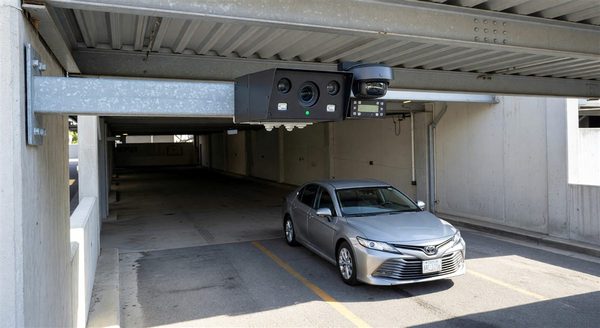
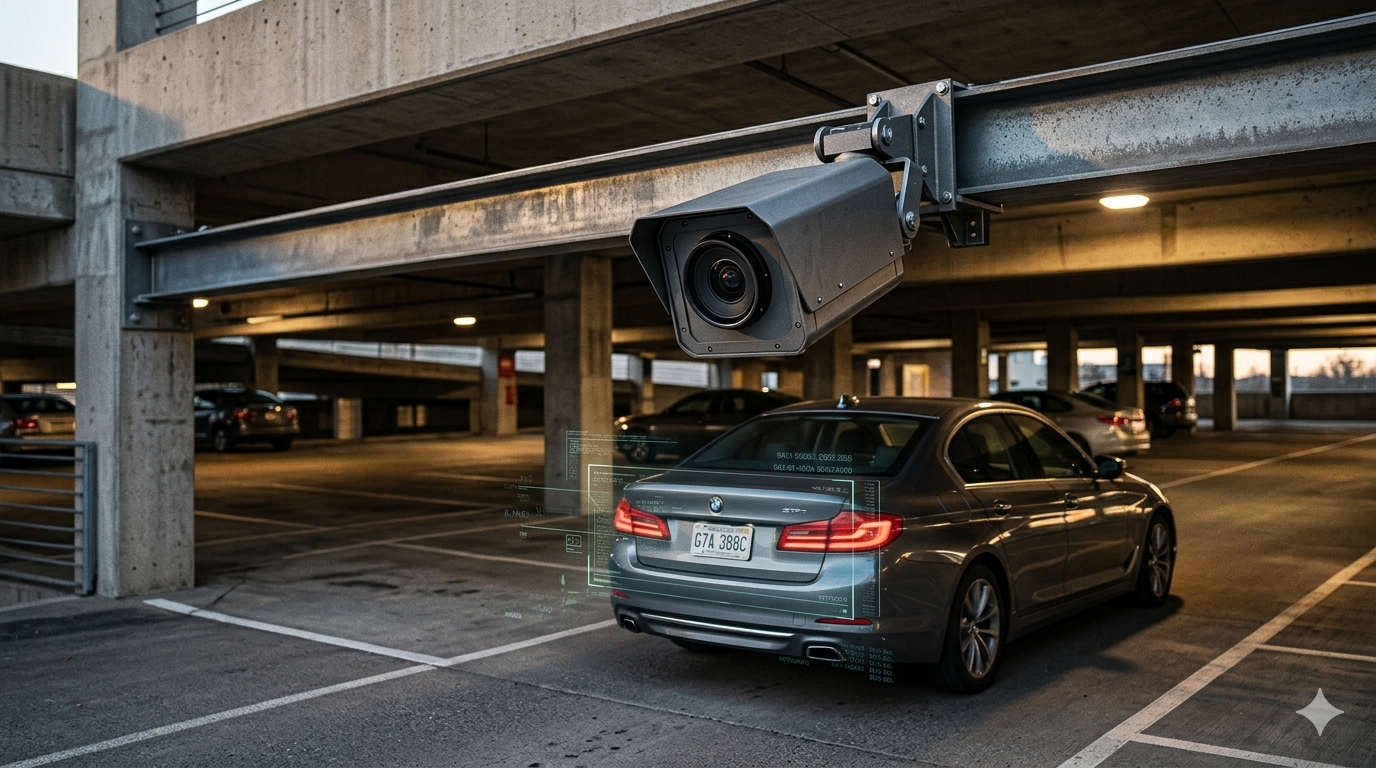
LPR at entry points: License plate recognition cameras at facility entry lanes (and optionally exit lanes) read the entering vehicle’s plate and query the permit database. If the plate matches an active permit with appropriate permissions, the gate opens. If no match is found, the gate remains closed and the driver must use an alternative entry method (intercom with attendant, pay station) or be denied entry.
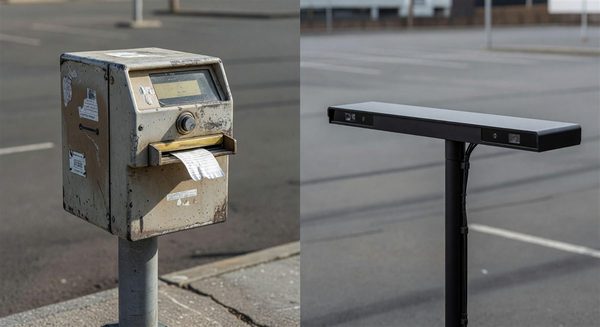
Enforcement integration: In permit-only lots without attended enforcement, mobile LPR equipment or fixed enforcement cameras verify that all vehicles present in the facility have active permits. Unregistered vehicles receive citations. This enforcement mechanism is the key operational function that physical permits provided — easy visual verification of authorization — replaced by electronic database verification.
Operational Advantages of Virtual Permits
Elimination of permit issuance and management overhead: Physical permit programs require printing, mailing or distributing permits, processing replacements for lost or damaged permits, managing physical inventory, and handling returned permits at expiration. Virtual programs require only database management — adding plates, updating account status, and managing renewals electronically.
Immediate activation and deactivation: Physical permits distributed by mail take days to arrive. A virtual permit can be activated instantly when the account is established and deactivated instantly when it lapses or is cancelled. This immediacy is particularly valuable for controlling access in facilities where rapid response to account changes is operationally important.
Vehicle change flexibility: Monthly parkers who change vehicles regularly — company vehicle users, fleet accounts, parkers with multiple vehicles — can update their registered plate through a self-service portal without requesting a new physical permit. Multi-vehicle accounts (households or businesses with multiple authorized vehicles) can be managed in the database without proportional physical permit overhead.
Enforcement efficiency: Visual permit verification requires individual manual inspection of each vehicle — a time-consuming process in large facilities. LPR-based enforcement can verify every vehicle in a facility in a fraction of the time required for manual sticker inspection, improving enforcement consistency and reducing the staff time allocated to enforcement.
Anti-counterfeiting: Physical hang tags and stickers can be counterfeited or shared among unauthorized users. License plate-based authorization is more difficult to transfer — the plate is permanently attached to a specific vehicle (or temporarily applied to a vehicle by the legitimate plate owner), limiting the ability to share credentials across unauthorized users.
Permit Database Management
Virtual permit program quality is determined by database management quality:
Plate format accuracy: Plate records must be entered accurately — a single character error results in an access denial for a legitimate permit holder. Self-service plate registration (where the permit holder enters their own plate in the portal) should be validated against state-specific plate format rules and confirmed by the permit holder before activation.
Multi-state and Canadian plate handling: Permit databases must handle plate uniqueness across states and provinces — the same plate number may exist in multiple jurisdictions. The database should store state/province along with plate number and the LPR system should attempt to identify plate jurisdiction for matching.
Temporary plate handling: New vehicle purchases often involve temporary paper plates before permanent plates are issued. Temporary plate management requires either a process for adding and immediately replacing temporary plates, or a grace period process for new vehicle permitting.
Pending and suspended account states: Permit programs with billing on a monthly cycle need intermediate states — permits that are active but flagged for non-payment (approaching suspension), suspended (not yet terminated but access revoked), and reinstated (access restored after payment). These states must be reflected in real-time in the access control database.
Transitioning from Physical to Virtual Permits
Communication and timeline: Announce the transition to virtual permitting with a specific timeline — at minimum 60 days before physical permits are deactivated. Communicate through all channels where monthly parkers can be reached: email, posted notices at facility, and direct mail if email addresses are not on file for all accounts.
Self-registration process: Provide a clear, tested self-registration process for permit holders to verify their account information and confirm their registered plate. Identify the percentage of account holders who complete self-registration during the transition period and follow up directly with those who have not.
Grace period: For the first 30 to 60 days after physical permits are deactivated, maintain a policy of allowing access with an intercom or phone call process for legitimate permit holders whose plates are not yet registered. This grace period reduces the customer service impact of transition errors.
Enforcement delay: Do not begin active enforcement of unregistered vehicles immediately at transition. Allow the grace period to elapse and confirmed that the database is accurate before enforcement begins generating citations.
Frequently Asked Questions
Can virtual permits handle multiple vehicles per account? Yes, multi-vehicle permits are one of the operational advantages of virtual systems. The database can associate multiple plates with a single account, with rules governing how many vehicles may be present simultaneously. This is particularly useful for household permits where both partners use the same parking facility.
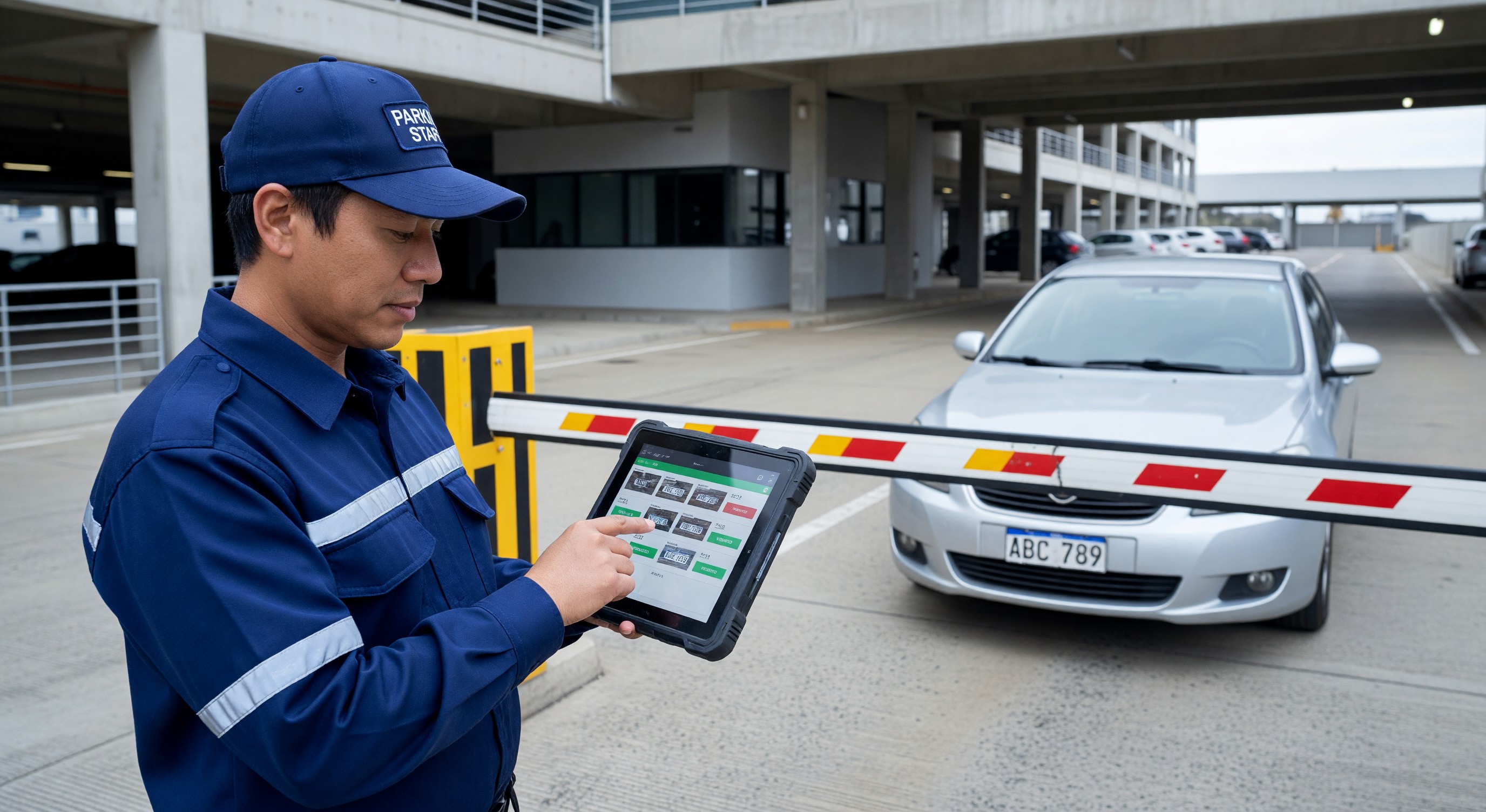
What happens when an LPR camera fails to read a plate? In a well-designed virtual permit system, a failed plate read (no plate recognized or low-confidence read) results in the gate remaining closed, with the driver directed to use an intercom or pay station. The driver with a valid permit identifies themselves verbally or through account lookup; the attendant can manually verify the account and open the gate. Failure rates and intercom resolution volume should be monitored as LPR performance metrics.
Do virtual permit programs work in outdoor lots without covered entry lanes? Yes, but outdoor LPR installations require cameras with appropriate weatherproofing, infrared illumination for nighttime reads, and sensitivity settings appropriate for high-contrast outdoor lighting conditions. Performance is typically slightly lower than covered lane installations but adequate for permit verification applications.
How does a virtual permit program handle enforcement for vehicles that don’t have LPR-readable plates? Mobile LPR enforcement provides the primary enforcement mechanism for the lot interior. Vehicles with plates that cannot be read (obscured, damaged, or unusual plate types) should have a process for manual plate lookup and confirmation with attendant or management oversight.
Takeaway
Virtual parking permits represent a meaningful operational improvement over physical permit programs for most permit-intensive facilities — eliminating physical permit overhead, enabling immediate activation and deactivation, and improving enforcement efficiency through LPR-based database verification. The transition from physical to virtual requires careful database preparation, proactive communication, and a grace period that allows legitimate permit holders to register without penalty. Facilities that manage the transition with appropriate planning find virtual permitting to be significantly lower-maintenance over the long term than physical credential programs — a transformation in permit administration overhead that justifies the transition investment.
Further Reading from Authoritative Sources
- IPMI virtual permit and LPR-based access control implementation guidance — IPMI publishes LPR enforcement and virtual permit deployment guidance that directly addresses the technical requirements, enforcement workflow, and permit program administration described in this article from an industry-standards perspective.
- IPMI parking technology resources for LPR and permit management system selection — IPMI’s parking technology resources provide the evaluation framework for LPR and permit management system selection that operators need when transitioning from physical to virtual permit programs, supporting the technical requirements described in this article.