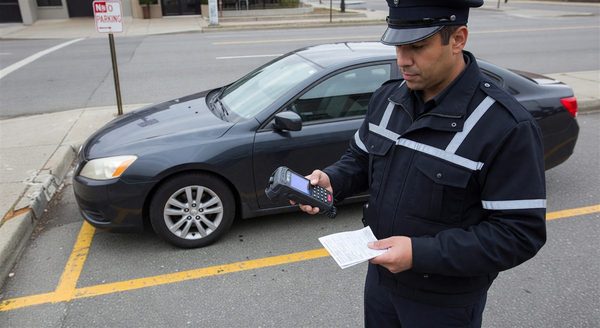
Parking citations are the enforcement instrument that gives time limits, permit requirements, and payment obligations operational meaning — but a citation issued is not revenue collected until the payment process works efficiently from issuance through final resolution. Citation management software handles the full citation lifecycle: digital issuance by field officers, online payment by recipients, structured appeal processing, collections referral for unpaid citations, and scofflaw tracking for chronic violators. The quality of citation management software directly affects collection rates, appeal processing efficiency, and the administrative overhead of enforcement programs.
Citation Lifecycle Overview
Issuance: A parking enforcement officer observes a violation and issues a citation — captured digitally through a handheld device. The citation record includes: plate number, state, vehicle description, violation code and description, location (GPS-tagged), date and time, bail amount, officer ID, and photographic documentation.
Notification: The citation is mailed to the registered vehicle owner using DMV registration records (in jurisdictions where vehicle registration is used for notification) or served in person at the vehicle (physical notice on windshield). Digital-first notification via email or SMS is increasingly used in programs with registered user bases.
Payment: The recipient pays the citation amount through an online payment portal, by mail, or in person at the parking office. Most programs offer a reduced amount for early payment (within 10 to 14 days of issuance).
Appeal: Recipients who dispute the citation submit an appeal. The appeal review process varies by program — some use hearing officers, others use administrative review panels. The appeal decision (upheld or dismissed) is communicated to the appellant and reflected in the citation record.
Collections referral: Unpaid citations above a threshold (typically 30 to 60 days past due) are referred to a collection agency or DMV hold program. Collections partners attempt to collect the citation amount plus a collection fee from the registered vehicle owner.
Final resolution: The citation is resolved when: payment is received (at any stage from issuance through collections), the appeal is decided in the appellant’s favor (dismissal), or the citation is written off after all collections efforts are exhausted.
Digital Citation Issuance Features
Handheld device integration: Citation management software integrates with handheld devices used by enforcement officers — connecting citation data captured in the field directly to the citation management database without manual data entry transcription.
Photo documentation: Photos captured at the time of citation issuance are attached to the citation record. Documentation typically includes: the vehicle in the violation location, the meter display or permit area sign, and the license plate. Photo documentation significantly reduces the success rate of factual dispute appeals.
Real-time violation code lookup: Handheld integration with the violation code database ensures that officers can look up current violation codes, bail amounts, and required documentation fields for any violation type. Code lookup eliminates transcription errors in violation descriptions.
Batch upload: Citations issued in areas without real-time cellular connectivity (some enclosed parking structures) are stored in the handheld and uploaded to the citation management system when connectivity is restored.
Officer performance tracking: Citation management systems track citation issuance by officer — total citations, citation type distribution, appeal rates, and appeal outcomes. This data supports officer performance management and training.
Online Payment Portal
Self-service payment: Parkers who receive citations should be able to pay online through the citation management system’s payment portal — entering their citation number, reviewing the violation details and amount, and paying by credit/debit card or ACH. Online payment reduces office counter traffic and extends the effective hours of payment collection.
Appeal submission: The online portal should support electronic appeal submission, including photo upload for documentary evidence (meter receipts, medical emergency documentation, payment confirmation screenshots).
Account management: In programs with registered users (monthly parker populations or residential permit programs), the portal should display all citations associated with the user’s registered plates, enabling management of multiple citations through a single account login.
Installment payment: For large citation amounts or accumulated scofflaw balances, installment payment plans reduce the barrier to payment collection. The citation management software should support installment payment setup and recurring charge scheduling.
Appeal Workflow Management
Appeal intake: Electronic appeals should be categorized, assigned to reviewers, and tracked through the review workflow in the citation management system. Manual email-based appeal management in parking programs with significant volume creates delays, lost appeals, and inconsistent outcomes.
Reviewer interface: Appeal reviewers need access to the complete citation record — original violation data, officer notes, photographs — alongside the appellant’s written appeal and any submitted documentation. The reviewer interface should present this information clearly for decision-making.
Decision logging and notification: Appeal decisions are logged in the citation record with the decision date, decision (upheld/dismissed/reduced), reviewer identity, and decision rationale. Automated notification to the appellant is triggered upon decision recording.
Appeal analytics: Appeal filing rate by violation type, appeal decision distribution (uphold rate by violation type), and reversal rate by reviewer identify patterns that inform violation code clarity improvements and reviewer training.
Scofflaw Management Integration
Scofflaw threshold definition: Citation management software tracks the cumulative unpaid citation balance per plate. When a plate exceeds the defined scofflaw threshold (typically 2 to 5 unpaid citations or a dollar amount), it is flagged for scofflaw enforcement action.
Boot and tow queue: Scofflaw-flagged plates are added to a boot/tow queue. When mobile LPR or stationary enforcement encounters a flagged plate, the enforcement action (boot or tow) is authorized. Citation management software tracks the boot/tow event, the amount required for release, and the release confirmation.
Collections referral workflow: The citation management software manages the collections referral workflow — identifying citations eligible for referral by age and amount, generating referral files in the format required by the collections partner, and tracking payment notifications received from the collections partner.
DMV hold integration: Programs with access to DMV registration hold programs generate hold files in the required state DMV format. When a parked vehicle’s owner attempts registration renewal, the DMV system identifies the hold and requires payment before completing the renewal.
Selecting Citation Management Software
Enforcement integration: Confirm that the citation management software integrates with the specific handheld devices (or handheld software) the enforcement program uses. Incomplete integration forces manual data entry between systems.
Jurisdiction requirements: Municipal parking programs have specific reporting requirements — citation volume by violation type, revenue reporting, appeal statistics — that must be satisfied by the citation management system. Confirm that standard reports meet jurisdiction reporting requirements before selection.
Payment portal PCI compliance: The online payment portal processes credit card transactions and must be PCI DSS compliant. Confirm the payment processing integration’s compliance status and the vendor’s responsibility for PCI compliance scope.
Collections partner flexibility: Confirm whether the citation management software supports integration with multiple collections partners, or is locked to a single collections provider. Flexibility in collections partner selection is important for maximizing recovery rates over time.
Frequently Asked Questions
What is a typical parking citation collection rate? Collection rates vary significantly by program type and collection effort. Municipal programs with DMV hold capability typically achieve 85 to 95 percent eventual collection on issued citations. Programs without DMV holds or active scofflaw enforcement collect 60 to 80 percent. Third-party collections typically recover 30 to 50 percent of referred amounts (after collection fees).
How do parking citation appeals affect collection rates? Appeals that result in dismissal directly reduce collection revenue. Appeal dismissal rates above 30 to 40 percent may indicate unclear signage, equipment failures, or overly aggressive enforcement that generates legitimate disputes. Tracking dismissal reasons identifies specific issues — a high dismissal rate for meter malfunction citations indicates a maintenance issue rather than an enforcement policy problem.
What DMV data access is required for citation notification and collections? In most jurisdictions, registered vehicle owner information for citation notification is available to authorized law enforcement and parking authorities through state DMV access agreements. Private parking operators typically cannot directly access DMV owner data; they work through law enforcement or authorized third-party vendors with DMV data access agreements. Confirm the data access arrangement during program design.
How should parking citation records be retained? Citation records should be retained for the period during which they may be subject to appeal, collections action, or legal dispute — typically 3 to 7 years from the citation date. Records that result in collections referral may require retention through the resolution of the collections case. Consult legal counsel for the specific jurisdiction’s applicable records retention requirements.
Takeaway
Citation management software determines whether parking enforcement programs generate the compliance improvement and revenue recovery that justify their operational cost. Digital issuance with photo documentation, self-service payment portals, structured appeal workflows, and integrated scofflaw and collections programs together create an enforcement system that converts violations into resolved citations efficiently. The highest-leverage features are those that improve collection rates (online payment portal accessibility, DMV hold integration) and reduce administrative overhead (automated appeal workflow, collections referral automation) — the features that determine whether enforcement revenue covers enforcement cost and contributes to facility operations.
Further Reading from Authoritative Sources
- FHWA parking enforcement and citation program standards — FHWA publishes guidance on parking enforcement programs, citation processes, and operational standards for public parking systems.
- NIST cybersecurity standards for payment systems and data protection — NIST publishes the Cybersecurity Framework and payment system security standards that underpin PCI DSS compliance requirements for citation management payment portals.