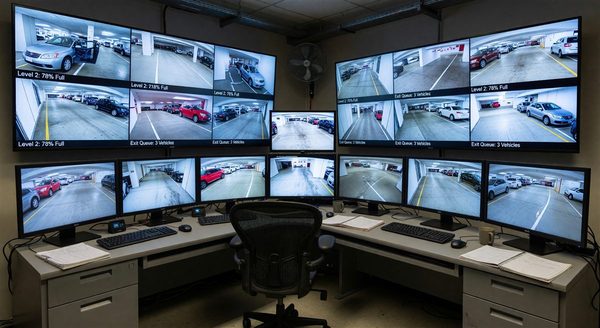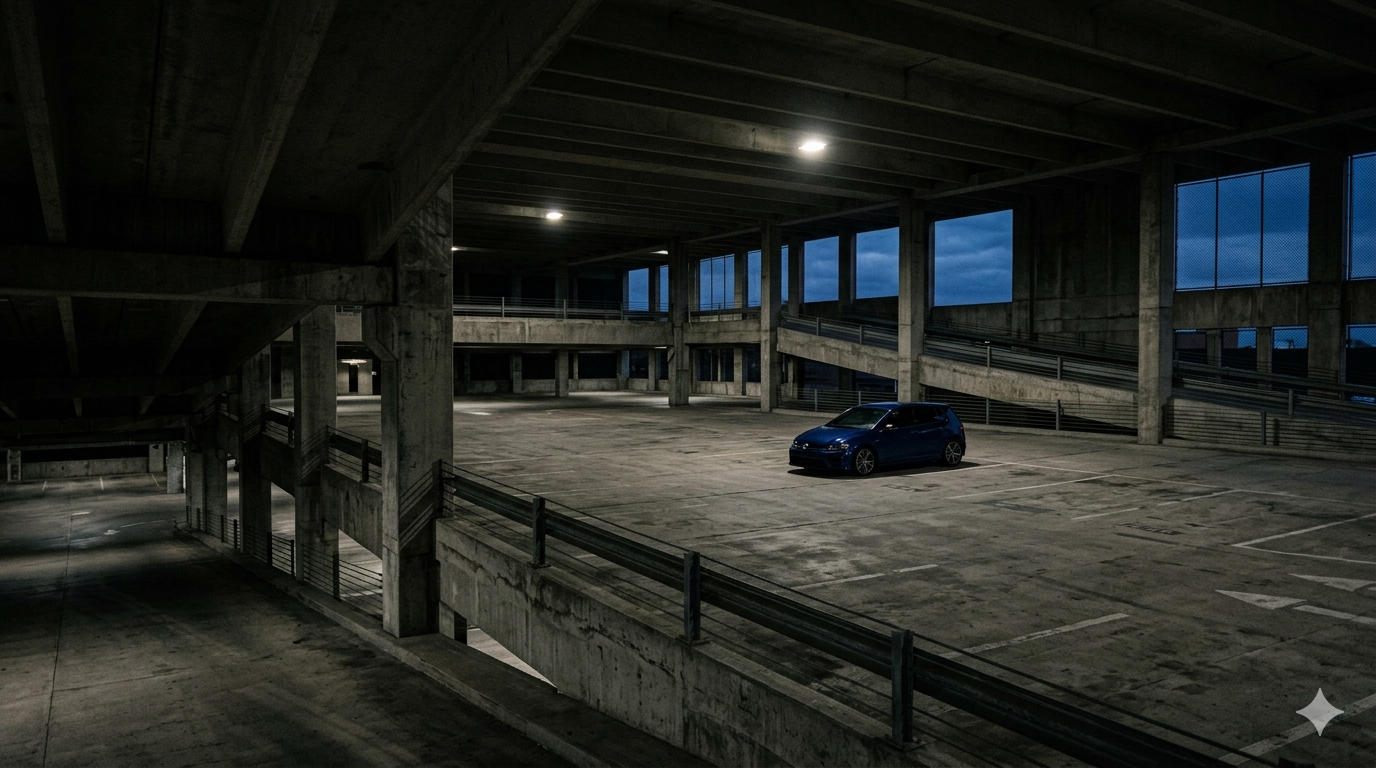
Parking operations face significant seasonal demand variation. Downtown commercial facilities experience reduced demand in summer (when many office workers take vacations) and holiday weekends, but surge during major events or shopping seasons. Airport facilities peak around holiday travel windows. Medical campus parking is relatively stable year-round but faces weather-driven absenteeism on staff. Every facility type has its seasonal pattern, and operations planning that doesn’t account for this variation produces either understaffing at peak or wasteful overstaffing in valleys.
Summer Operations Planning
Summer presents both reduced demand challenges (downtown commercial) and increased demand opportunities (resort, recreation, entertainment, beach):
Demand-driven staffing adjustments: In downtown commercial facilities with significant office worker populations, summer months (June through August) see 10 to 20 percent lower weekday occupancy as vacation patterns reduce commuter presence. This is an opportunity to reduce part-time staffing without fully cutting coverage, and to schedule deferred maintenance during low-demand periods.
Equipment maintenance windows: Summer is ideal for major equipment maintenance, software upgrades, and physical facility maintenance that would disrupt operations during peak periods. Schedule major PARCS maintenance, pavement seal coat, and restriping during the lowest-demand weeks of summer.
Temperature management: Cashier booths and unattended kiosks must withstand summer heat. Cashier booth air conditioning must be functional before summer — a broken booth AC in July creates unacceptable working conditions and accelerates staff turnover. Pay station thermal management (fan cooling, adequate sun exposure limits for touchscreen equipment) should be verified before sustained high-temperature periods.
Outdoor lot surface condition: Summer heat softens asphalt surfaces. Heavy vehicles parked in the same position for extended periods (monthly parkers, long-term vehicles) can cause asphalt creep and depression. Monitor surface condition monthly and schedule targeted repairs before depressions become drainage problems.
Winter Operations Planning
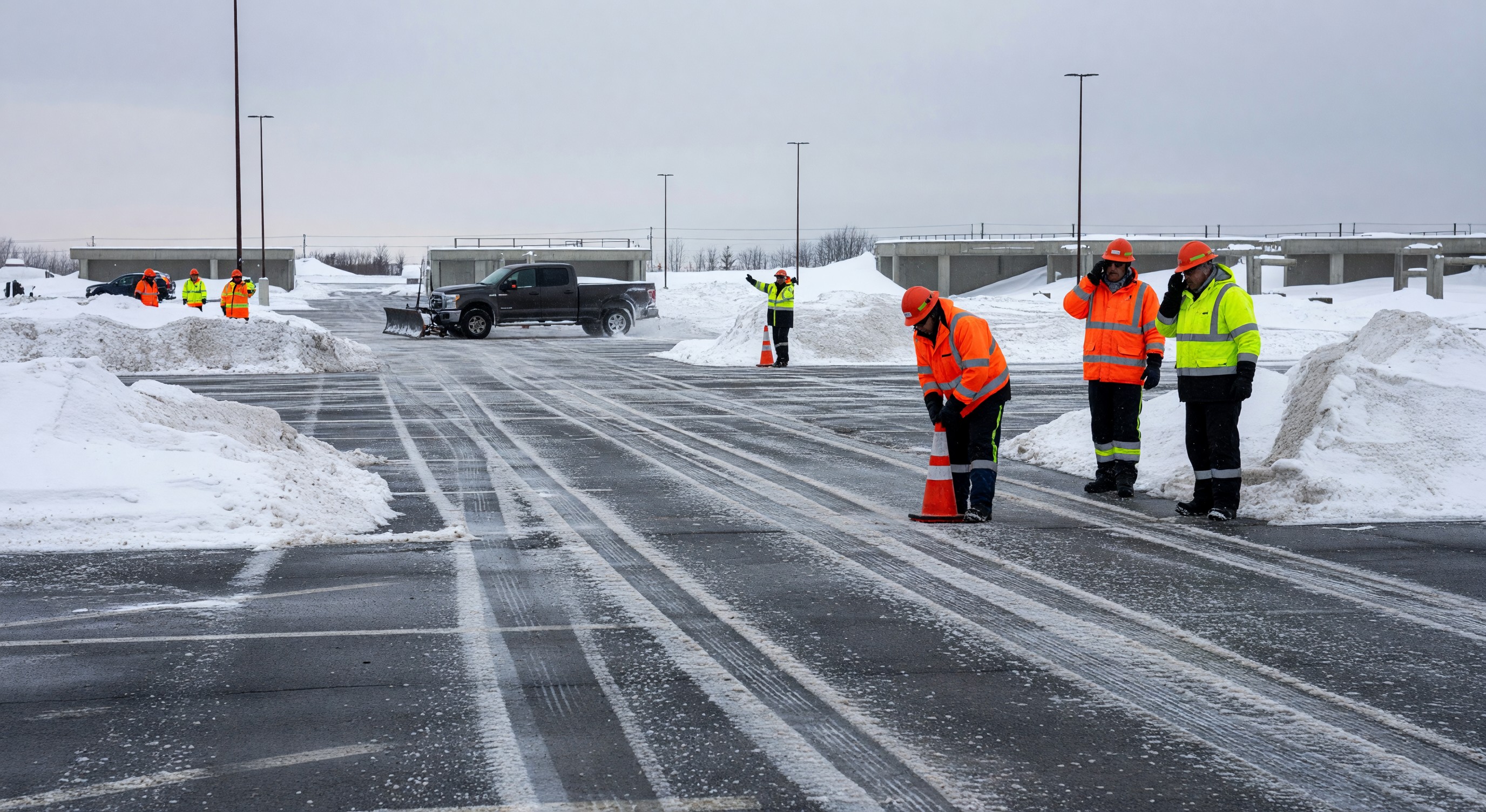
Winter weather operations are the most complex and highest-consequence seasonal challenge for parking facilities in cold climates:
Snow removal plan: Develop a written snow removal plan before the first snowfall of the season. The plan should identify:
- Contracted snow removal service (vendor, contract scope, service level agreement for response time after snowfall threshold)
- Staff roles during snow events
- Plow routes within the facility that preserve drainage flow and don’t push snow into accessible parking areas or pedestrian paths
- De-icing materials storage location and application equipment
- Communication plan for customers during major snow events (facility open status, delayed opening, temporary rate waiver)
Snow removal contractor SLA: Response time commitments in snow removal contracts should specify when the contractor must begin operations after snowfall stops (typically 2 hours) and when the facility must be cleared to a defined standard (e.g., drive aisles open within 4 hours of snowfall end; full facility cleared within 8 hours). Include provisions for re-icing events and multi-day storm continuation.
ADA accessibility priority: Accessible parking spaces, access aisles, and the accessible route from accessible spaces to building entrances must be cleared before or simultaneously with general parking. Piling snow in accessible access aisles — a common error — eliminates ADA compliance for the duration of the pile.
Equipment cold-weather preparation: PARCS equipment that contains water (heated payment terminals, outdoor pay stations with internal cooling water circuits) must be confirmed operational in sub-freezing temperatures. Ticket dispensers jam in extreme cold if paper is not stored at controlled temperature; cash drawers may require heating elements to maintain reliable operation. Test all equipment in low-temperature conditions before the first severe cold event.
Staffing for winter events: Heavy snowfall events require additional staffing for customer assistance, equipment monitoring, and safety patrol. Plan for this staffing requirement in the winter operating budget.
Holiday and Peak Season Planning
Major holidays and shopping seasons create predictable demand surges requiring advance planning:
Thanksgiving/Christmas retail season (November–December): Retail-adjacent parking facilities experience their highest demand of the year. Increase staffing 20 to 40 percent above normal for peak shopping days. Confirm all PARCS equipment is fully operational before the season begins. Coordinate with retail tenants on validation program adjustments, extended operating hours, and event parking for holiday promotions.
Holiday weekend event planning: Major holiday weekends (Memorial Day, July 4, Labor Day) generate event-like demand at entertainment, resort, and recreation facilities. Develop event-specific staffing plans for these weekends the same way event venue facilities plan for scheduled events.
New Year’s Eve: Urban and entertainment district facilities experience extreme concentrated egress events on New Year’s Eve. Peak egress planning — pre-paid parking options, additional exit staff, traffic management — is essential for this date.
Valentine’s Day, Mother’s Day: Restaurant-adjacent facilities see significant demand surges on these dates, often exceeding normal Saturday peaks.
Building the Seasonal Staffing Model
Seasonal staffing planning starts with historical demand data:
- Pull monthly transaction counts and revenue from the PARCS system for the prior 3 years
- Identify seasonal demand patterns by month and day of week
- Map staffing requirements to demand levels using the facility’s transaction-per-staff-position metrics
- Build a 12-month rolling staffing plan with core permanent staff supplemented by seasonal or part-time additions during peak periods
- Contract with a staffing agency or develop a reliable part-time pool before peak season begins — last-minute staffing is the most expensive and least reliable approach
Frequently Asked Questions
When should summer pavement maintenance be scheduled? June through August is optimal for seal coat, crack sealing, and restriping in most North American climates. Schedule during the lowest-demand weeks of the summer to minimize disruption. Pair maintenance windows with natural low-demand periods (in downtown commercial facilities, the week surrounding July 4 is typically very low occupancy).
What ADA compliance consideration applies to snow removal? Accessible parking spaces, access aisles, and accessible routes to building entrances must be cleared of snow before or simultaneously with general parking. Snow cannot be pushed into accessible access aisles. This is both an ADA compliance requirement and a customer service obligation for individuals with disabilities.
How far in advance should seasonal staffing for holiday peaks be planned? Staffing agency contracts or part-time staff development should be completed 4 to 6 weeks before the peak season begins. Last-minute staffing recruitment is expensive, produces lower-quality results, and risks the facility being understaffed at its highest-revenue period.
What equipment should be checked before winter parking operations begin? Heating elements in outdoor payment equipment, ticket dispensers for cold-weather paper jamming tendency, gate boom heaters, intercom systems for cold-weather voice quality, and ADA-accessible equipment. Test all equipment in low-temperature conditions before the first significant cold event of the season.
Takeaway
Seasonal planning in parking operations converts predictable variation into managed preparation rather than reactive improvisation. Summer maintenance windows, winter weather plans, and holiday staffing models developed in advance produce better outcomes — operationally and financially — than facilities that address seasonal challenges as they arise. The investment in a 12-month rolling staffing model, documented equipment maintenance schedules, and written snow removal plans with SLA-backed contractor agreements pays consistent dividends in operational reliability throughout the seasonal cycle.
Further Reading from Authoritative Sources
- IPMI parking operations seasonal planning and maintenance standards — The International Parking and Mobility Institute is the primary professional authority for parking operations best practices, including the seasonal planning frameworks and winter operations standards discussed in the article.
- FHWA winter road maintenance and pavement management resources — FHWA publishes authoritative guidance on winter maintenance operations and pavement management that directly informs the snow removal procedures, de-icing material selection, and pavement maintenance scheduling described in the article.