Eight weeks. That is roughly how long it took for the parking industry to experience more operational change than it had seen in the previous eight years. When COVID-19 shutdowns began sweeping across North America in mid-March 2020, parking operations went from a stable, predictable business to something unrecognizable almost overnight.
The scale of disruption has been staggering. The National Parking Association reported that some operators experienced revenue declines of 75 to 90 percent in the first weeks of lockdown. Municipal on-street parking revenue in many cities effectively dropped to zero as enforcement was suspended. Airports — typically among the most profitable parking operations in the country — saw utilization fall to single digits as air travel collapsed.
But the pandemic has not just been a story of decline. It has been a massive accelerant for changes that the parking industry had been slowly, sometimes reluctantly, moving toward for years. Contactless technology, automated operations, data-driven management, and flexible staffing models are no longer future aspirations. They are survival requirements.
The Revenue Collapse
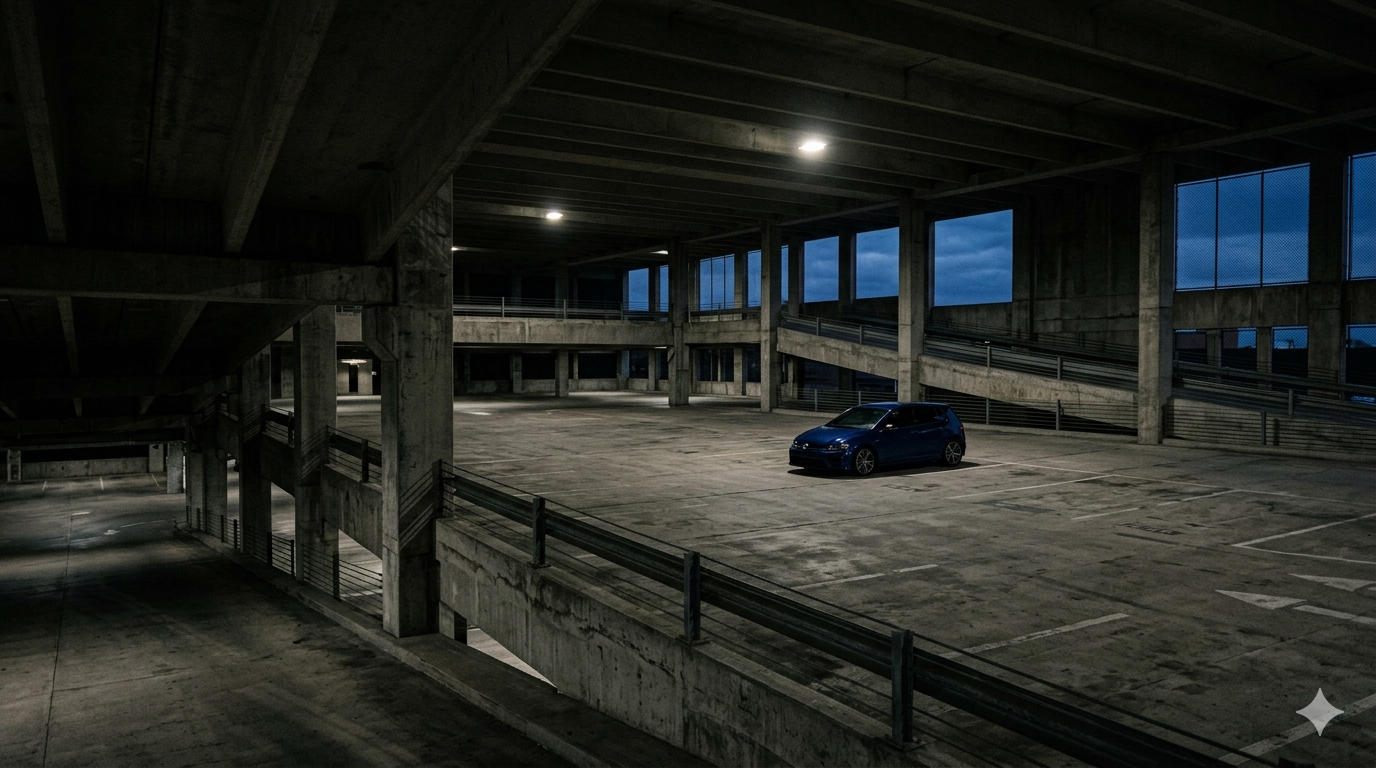
To understand the scale of what the parking industry is dealing with, consider the timeline. In the first week of March, most North American parking operations were running at or near normal capacity. By the end of March, much of the continent was under some form of stay-at-home order. Office workers were working from home. Retail was shuttered. Entertainment and sports venues were dark. Airports were ghost towns.
For parking operations tied to these demand generators, revenue did not gradually decline. It fell off a cliff.
The Municipal Impact
Cities that depend on parking revenue to fund transportation infrastructure, street maintenance, and general funds found themselves staring at budget holes. On-street parking meters, which generate billions in combined annual revenue across North American municipalities, largely stopped producing. Many cities suspended enforcement entirely, both to reduce contact for enforcement officers and to avoid the optics of ticketing cars during a crisis.
Parking garages operated by municipalities or their concessionaires fared little better. Monthly contract parkers — typically the reliable backbone of garage revenue — cancelled or suspended their contracts as remote work eliminated their daily commute. Transient parkers disappeared with the closure of the offices, restaurants, and shops they served.
The Private Operator Squeeze
Private parking operators face a particularly painful version of the revenue collapse. Many operate under management agreements or lease structures that include minimum revenue guarantees, fixed rent payments, or other obligations that do not pause when demand evaporates. The mismatch between fixed costs and vanished revenue has forced operators to make difficult decisions about staffing, capital spending, and which locations to keep open at all.
Some operators have reported that the cost of keeping a facility open — lighting, ventilation, insurance, minimum staffing — exceeds the revenue the facility generates when utilization drops below 10 to 15 percent. The calculus of temporary closure versus maintaining operations at a loss is playing out across the industry.
Airport Parking
Airport parking operations, which typically generate the highest revenue per space in the parking industry, have been among the hardest hit. Data from the Federal Highway Administration and TSA showing passenger volumes down 90 percent or more from year-ago levels tells the story. Airport parking lots and garages that normally operate at capacity are sitting nearly empty, and the recovery timeline is tied to a return to air travel that remains deeply uncertain.
The impact extends beyond the airports themselves. Off-airport parking operators — the privately run lots that compete with airport-operated facilities — face the same demand collapse without the institutional backing that airport authorities provide.
Contactless: From Trend to Mandate
If there is a silver lining for the parking industry in this crisis, it is the overnight acceleration of contactless technology adoption. For years, the industry has been talking about contactless payment, mobile apps, and touchless entry and exit. Progress was real but incremental. COVID-19 compressed years of adoption into weeks.
Payment Technology
Cash handling has gone from “declining but significant” to “actively avoided” in the space of a month. Operators who still relied on cash-heavy revenue mixes are scrambling to shift to credit card, mobile payment, and app-based systems. The health risk associated with handling coins and bills has given operators and municipalities the urgency — and the political cover — to accelerate the transition away from cash.
Credit card payments at kiosks and pay stations still involve touching shared surfaces, which has driven interest in truly contactless payment methods. Tap-to-pay card transactions, mobile wallet payments through Apple Pay and Google Pay, and QR-code-based payment systems have all seen accelerated adoption since March.
Automated parking systems that minimize or eliminate the need for human-to-machine contact have moved from the “nice to have” category to the “need to have” category for many operators. Systems that support license plate recognition for entry and exit, combined with mobile payment for fee calculation and processing, can deliver a fully touchless parking experience.
Access Control
Gated facilities that rely on paper tickets and push-button interactions present obvious contact concerns. The push toward ticketless entry using license plate recognition, mobile credentials, or proximity-based systems has intensified. Operators who had been evaluating these technologies for future deployment are now implementing them on emergency timelines.
For facilities that cannot immediately upgrade their access control systems, interim measures like single-use disposable ticket stock, hand sanitizer stations at entry and exit, and increased cleaning frequency for surfaces that parkers touch have become standard practice.
The Valet Challenge
Valet parking operations face a unique contactless challenge. The entire valet model is built on human interaction — a person takes your keys, drives your car, and returns it when you are ready to leave. Every step involves close contact and shared surfaces.
Some hotels and restaurants have suspended valet services entirely. Others are implementing modified protocols: keys placed in sanitized pouches, vehicles wiped down before return, reduced interaction through text-based vehicle requests, and physical distancing during the handoff. Whether parkers will be comfortable returning to traditional valet service remains an open question.
Staffing Upheaval
The parking industry employs hundreds of thousands of people across North America, from cashiers and valets to maintenance workers and management staff. COVID-19 has impacted every level of the workforce.
Immediate Layoffs and Furloughs
The speed and depth of revenue declines forced rapid staffing reductions. Many operators moved to skeleton crews within weeks of shutdown orders, furloughing or laying off large portions of their workforce. Valet operations, which are among the most labor-intensive parking services, were hit particularly hard.
The human cost has been significant. Parking jobs, while not typically high-paying, provide stable employment for a workforce that may have limited alternatives. The sudden loss of income for tens of thousands of parking workers is a crisis within the larger crisis.
Essential Worker Considerations
Parking workers who remained on the job during the pandemic faced their own challenges. Many interact with the public daily, handling payments, answering questions, and maintaining facilities. Personal protective equipment, modified work procedures, and the psychological stress of working during a pandemic have all been factors.
Some operators have recognized remaining parking staff as essential workers, providing hazard pay, enhanced benefits, or other recognition. Others have struggled to balance the cost of these measures against the reality of dramatically reduced revenue.
The Automation Acceleration
COVID-19 is accelerating a trend toward automation that was already underway in the parking industry. Operations that might have maintained human cashiers for another five or ten years are now looking at automated payment systems with new urgency. The pandemic provides both a health-based rationale for reducing human contact and an economic rationale for reducing labor costs in an environment of depressed revenue.
This is a double-edged development. Automation improves health safety and reduces operating costs, but it also eliminates jobs in an industry that provides employment for many workers who may not easily transition to other roles.
Sanitization and Facility Management
Parking facilities have never been associated with cleanliness. Most parkers expect a certain level of grime in a parking garage, and operators have historically focused maintenance budgets on structural and mechanical issues rather than surface cleaning. COVID-19 has changed that calculus.
New Cleaning Protocols
Operators across the industry have implemented enhanced cleaning protocols for surfaces that parkers touch — elevator buttons, stairwell handrails, pay station screens, intercom buttons, and door handles. The frequency and rigor of this cleaning goes well beyond anything the industry has previously considered.
The cost of these new protocols is not trivial. Additional cleaning staff or contracted services, cleaning supplies, and the management overhead of ensuring compliance all add to operating expenses at precisely the time when revenue is down. Some operators report that cleaning costs have increased by 200 to 300 percent.
Signage and Communication
Parkers need to see evidence that their safety is being taken seriously. Visible cleaning in progress, signage describing sanitization protocols, and hand sanitizer stations at key touchpoints provide both practical benefit and psychological reassurance. The communication aspect of facility management has taken on new importance as operators try to rebuild parker confidence.
Ventilation Concerns
Enclosed parking structures present ventilation considerations that have received increased attention during the pandemic. The CDC issued guidance on ventilation in enclosed spaces that many facility operators applied to parking structures. While parking garages are typically well-ventilated by design — vehicle exhaust requirements ensure significant air exchange — the public perception of enclosed spaces as higher risk has led some operators to review and publicize their ventilation specifications.
Enforcement and Revenue Protection
Cities that suspended parking enforcement during the early weeks of the pandemic are now grappling with when and how to resume. The decision is as much political as operational. Resuming enforcement too early risks public backlash during an economic crisis. Waiting too long forfeits revenue that cash-strapped municipalities desperately need and may lead to abuse of free parking in areas where turnover matters.
Some cities have taken a phased approach, resuming enforcement in commercial districts where turnover supports economic recovery while maintaining relaxed enforcement in residential areas. Others have introduced grace periods, reduced fine amounts, or expanded payment options to ease the transition back to enforcement.
The enforcement workforce itself has changed. Many parking enforcement officers have been reassigned, furloughed, or given modified duties during the pandemic. Rebuilding enforcement capacity as demand returns will take time and may not follow the pre-pandemic model. Automated enforcement through license plate recognition and sensor-based systems offers a less labor-intensive alternative that some cities are exploring with new interest.
What Comes Next
Two months into the pandemic’s impact on parking, it is too early to know what the permanent changes will be. But some directions are becoming clearer.
Remote work will reduce downtown parking demand even after offices reopen. Surveys consistently show that a significant percentage of office workers want to continue working from home at least part of the time. If even 20 to 30 percent of pre-pandemic commuters shift to partial remote work, the impact on daily parking demand in downtown cores will be substantial and lasting.
Contactless technology adoption will not reverse. Parkers who have grown accustomed to touchless payment and entry during the pandemic will not willingly return to handling tickets and feeding coins into meters. The investments operators make now in contactless systems will serve them long after the virus is controlled.
Parking operations will run leaner. The forced cost reductions of the pandemic are revealing that many operations were carrying more overhead than necessary. Some of those efficiencies will stick even as revenue recovers.
And the industry’s resilience will be tested further. Economic recovery will be uneven, with different markets and different sectors bouncing back at different speeds. Parking operators will need flexibility, data, and adaptability in quantities that the pre-pandemic industry rarely demanded.
The parking industry has been through downturns before. The 2008 financial crisis hit parking revenue hard in many markets. But nothing in recent memory matches the speed, depth, and breadth of the COVID-19 impact. How the industry responds — and what it looks like on the other side — will define parking operations for a generation.