Fire suppression in parking structures is governed by a classification system that distinguishes between open structures — which rely on natural ventilation and perimeter openings to limit fire development — and enclosed structures, which require active suppression systems. Understanding this classification is essential for design teams, facility owners, and fire marshals reviewing parking structure projects.
Open vs. Enclosed: The Governing Classification
NFPA 88A Standard for Parking Structures is the primary national standard governing parking structure fire safety in the United States. The International Building Code (IBC) also addresses parking structure requirements and references NFPA 88A.
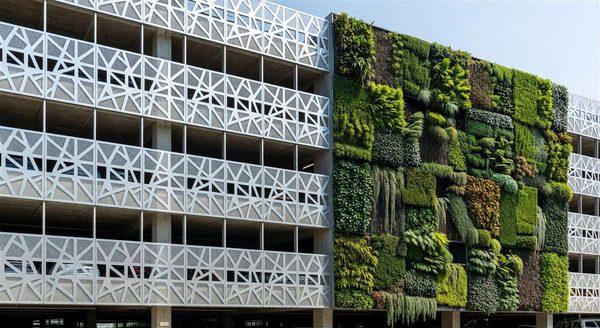
Open parking structure (per NFPA 88A): A structure where each level has openings in the exterior walls distributed around the perimeter such that the openings constitute at least 20 percent of the wall area on each of two or more sides. The openings must be relatively evenly distributed to allow natural cross-ventilation and limit smoke accumulation.
Open structures meeting this definition are generally exempt from automatic sprinkler requirements under NFPA 88A and IBC, provided they meet the height, area, and construction type limitations applicable to unsprinklered open structures. This exemption is a significant construction cost savings — a dry-pipe or wet-pipe sprinkler system for a 500-stall structure can cost $300,000 to $800,000 or more depending on structural configuration.
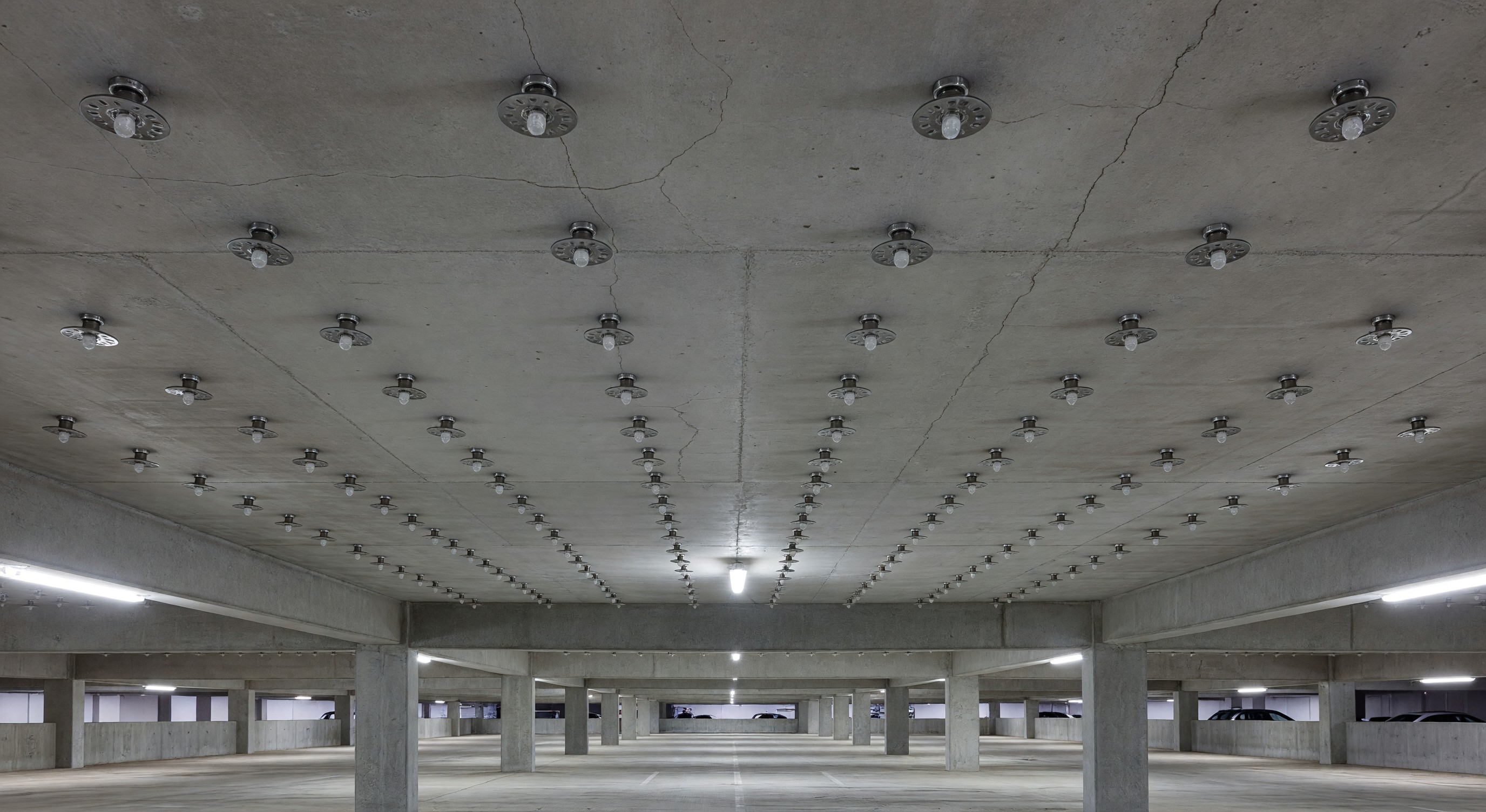
Enclosed parking structure: Any structure that does not meet the open structure openings criteria. Enclosed structures — including fully enclosed underground garages, enclosed ground-level facilities, and above-ground structures with insufficient perimeter openings — require:
- Automatic sprinkler system throughout (NFPA 13)
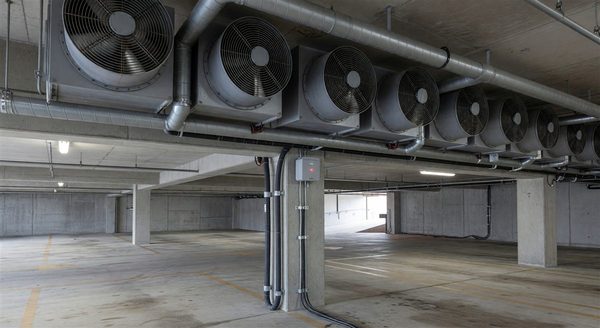
- Mechanical ventilation meeting NFPA 88A CO and smoke management requirements
- Emergency lighting on egress paths
NFPA 13 Sprinkler Requirements for Enclosed Garages
Where sprinklers are required in enclosed parking structures, NFPA 13 (Standard for the Installation of Sprinkler Systems) specifies the design parameters. Parking structure applications use Ordinary Hazard Group 1 (OH-1) classification in most configurations, which specifies:
- Design area: 1,500 square feet (standard) to 3,000 square feet (high-challenge configurations)
- Density: 0.15 to 0.20 gpm/square foot (depending on storage height and hazard classification)
- Sprinkler spacing: Maximum 130 square feet per sprinkler for standard spray heads in open deck configurations
Sprinkler head selection for parking structures must account for the specific geometry of the facility. In open-structural systems with exposed beams, large horizontal sprinkler spacings may not be achievable without exceeding the maximum listed spacing for the sprinkler model. Coordination between the structural engineer and fire protection engineer is essential.
Wet pipe vs. dry pipe: In parking structures with exposed-deck levels subject to freezing temperatures, dry-pipe or preaction systems are required to prevent pipe burst from freezing. Heated machine rooms and elevator pits that cannot be adequately protected from freezing may also require dry-pipe protection. Wet-pipe systems are appropriate in conditioned or climate-protected levels only.
NFPA 30A: Below-Grade Fuel Dispensing
Parking facilities that incorporate fuel dispensing (gas stations, CNG or hydrogen fueling, etc.) must meet NFPA 30A (Code for Motor Fuel Dispensing Facilities and Repair Garages), which imposes additional requirements independent of the open/enclosed classification: mandatory sprinklers in any repair or dispensing area, specific ventilation rates, and electrical area classification for ignition source control.
EV Fire Safety Considerations
Lithium-ion battery fires (thermal runaway) present a challenge for conventional sprinkler system design. EV battery fires burn at extremely high temperatures (up to 2,000°F) and are virtually impossible to extinguish by water — water application primarily controls spread to adjacent vehicles and structures rather than suppressing the initiating fire.
NFPA Technical Committee on Parking Structures and the Society of Automotive Engineers (SAE) have issued guidance on EV fire response and facility design. Key considerations:
- Suppression strategy: Conventional sprinklers are appropriate for controlling spread; the initiating EV battery fire must typically burn out. Fire departments are increasingly trained in EV thermal runaway protocols.
- Drainage capacity: EV battery fires generate substantial water runoff from suppression operations. Drain systems in EV charging areas should be sized for suppression flow rates.
- Open-structure preference: Naturally ventilated open structures dissipate the toxic gases produced by EV battery fires more effectively than enclosed structures. Where design flexibility allows, open structures are preferred for high-EV-charging-density facilities.
- Clearance from combustibles: EV charging areas should maintain clearance from combustible storage, transformers, and flammable material storage.
High-Rise Parking Structure Requirements
Parking structures exceeding 75 feet in height above grade are subject to high-rise provisions of IBC, which require automatic sprinkler systems throughout regardless of open/enclosed classification, emergency lighting, fire command centers, and additional life safety requirements. Very few parking structures achieve high-rise classification (most structures cap at 6 to 8 levels, well below 75 feet), but urban core projects on urban infill sites may approach this threshold.
Frequently Asked Questions
Do all parking structures require sprinklers? No. Open parking structures meeting NFPA 88A’s 20 percent perimeter opening criteria are generally exempt from automatic sprinkler requirements under NFPA 88A and IBC. Enclosed structures require sprinklers per NFPA 13 throughout.
What makes a parking structure “open” for fire code purposes? NFPA 88A defines open parking structures as those with exterior wall openings of at least 20 percent on two or more sides, with openings distributed around the perimeter. This natural ventilation limits smoke accumulation and fire development, justifying the sprinkler exemption.
How does the growth of electric vehicles affect parking structure fire suppression? EV lithium-ion battery fires cannot be extinguished by conventional sprinkler systems — they must burn out. Sprinklers remain essential to control fire spread to adjacent vehicles and the structure itself. Open structures are preferred for EV-dense charging areas due to better natural ventilation of toxic battery fire gases.
Are dry-pipe sprinkler systems required in parking structures? Dry-pipe or preaction systems are required in exposed-deck areas subject to freezing. Wet-pipe systems are appropriate only in heated, freeze-protected spaces.
Takeaway
Fire suppression design for parking structures begins with the open/enclosed classification under NFPA 88A, which determines whether an automatic sprinkler system is required at all. For enclosed structures, NFPA 13 Ordinary Hazard Group 1 design governs. The growing prevalence of EV charging in parking facilities adds complexity to fire safety design that sprinkler systems alone cannot fully address — natural ventilation, drainage capacity, and fire department EV training are all important supplements to traditional suppression infrastructure. Coordination among structural, mechanical, fire protection, and life safety engineers from early design stages produces the most cost-effective and compliant fire safety solution.
Further Reading from Authoritative Sources
- FHWA parking structure fire safety and design research — FHWA has published research on parking structure safety including fire safety considerations, providing federal transportation engineering context for the fire suppression design standards and code references discussed throughout this article.
- US DOE EV fire safety training resources for first responders and facilities — The US DOE publishes EV fire safety training materials and resources directly relevant to the EV thermal runaway fire safety considerations and first responder protocol issues described in this article’s section on EV fire safety in parking structures.